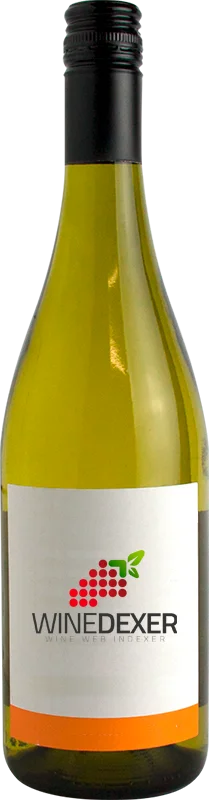
Winery CasettaLanghe Favorita
 White wine
In the mouth this white wine is a powerful.
This wine generally goes well with lean fish, shellfish or mature and hard cheese.

Taste structure of the Langhe Favorita from the Winery Casetta
Light | Bold | |
Dry | Sweet | |
Soft | Acidic |
In the mouth the Langhe Favorita of Winery Casetta in the region of Piedmont is a powerful.
Food and wine pairings with Langhe Favorita
Pairings that work perfectly with Langhe Favorita



Original food and wine pairings with Langhe Favorita


The Langhe Favorita of Winery Casetta matches generally quite well with dishes of pasta, shellfish or mature and hard cheese such as recipes of spaghetti all 'amatriciana, hake with small shrimps for cookeo or titgazelle's herring and leek pie.
Details and technical informations about Winery Casetta's Langhe Favorita.
Discover the grape variety: Trebbiano di Soave
Lively and structured dry whites with a pale golden colour, slender palate and preserved acidity, with signature aromas of almond (hallmark), white flowers (acacia), citrus, white stone fruit (apple) and mineral notes. An airy and taut profile. Traditional component of Soave DOC, contributing to the aromatic richness of great Venetian whites. Genetically identical to Verdicchio delle Marche, an Italian white variety grown in Veneto around Soave.
Informations about the Winery Casetta
The Winery Casetta is one of of the world's greatest estates. It offers 19 wines for sale in the of Langhe to come and discover on site or to buy online.

The wine region of Langhe
Italy's wine-and-food capital, UNESCO terroir of Piedmont. Heart of Nebbiolo: Barolo DOCG, "king of wines", and Barbaresco DOCG, age-worthy reds with firm tannins, vivid acidity and complex aromas of withered rose, morello cherry, tar, white truffle and undergrowth. More accessible Langhe DOC (Nebbiolo, crunchy Dolcetto, Freisa). Round almondy Arneis whites from Roero.
The wine region of Piedmont
Kingdom of Nebbiolo: Barolo and Barbaresco DOCG, long-ageing reds with firm tannins and lively acidity, complex aromas of withered rose, sour cherry, tar, truffle and undergrowth. More accessible, tangy Barbera on red fruit, supple, crisp Dolcetto. Sweet, floral sparkling Moscato d'Asti, mineral, lemony Gavi (Cortese) white, round, almondy Arneis from Roero. 50,000 ha across the Langhe, Roero and Monferrato, UNESCO.
The word of the wine: Passerillage
Concentration of the grape by drying out, under the influence of wind or sun, as opposed to botrytisation, which is the concentration obtained by the development of the "noble rot" for which Botrytis cinerea is responsible. The word is mainly used for sweet wines.