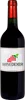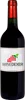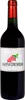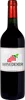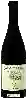
Domaine BousquetExcellence
 Red wine
In the mouth this red wine is a powerful with a nice balance between acidity and tannins.
This wine generally goes well with beef, veal or pasta.
Taste structure of the Excellence from the Domaine Bousquet
Light | Bold | |
Smooth | Tannic | |
Dry | Sweet | |
Soft | Acidic |
In the mouth the Excellence of Domaine Bousquet in the region of Languedoc-Roussillon is a powerful with a nice balance between acidity and tannins.
Food and wine pairings with Excellence
Pairings that work perfectly with Excellence



Original food and wine pairings with Excellence
The Excellence of Domaine Bousquet matches generally quite well with dishes of beef, pasta or veal such as recipes of wild boar with honey, goat cheese and spinach lasagne or veal saltimbocca.
Details and technical informations about Domaine Bousquet's Excellence.
Discover the grape variety: Humagne blanche
A very old grape variety grown in Switzerland (canton of Valais) and in southwestern France under the name Miousat (Louis Bordenave-2007). It is not related to humagne rouge. According to published genetic analyses, it is related to the colombaud and the chichaud.
Informations about the Domaine Bousquet
The Domaine Bousquet is one of of the world's greatest estates. It offers 12 wines for sale in the of Languedoc-Roussillon to come and discover on site or to buy online.

The wine region of Languedoc-Roussillon
Languedoc (formerly Coteaux du Languedoc) is a key appellation used in the Languedoc-Roussillon wine region of southern France. It covers Dry table wines of all three colors (red, white and rosé) from the entire region, but leaves Sweet and Sparkling wines to other more specialized appellations. About 75% of all Languedoc wines are red, with the remaining 25% split roughly down the middle between whites and rosés. The appellation covers most of the Languedoc region and almost a third of all the vineyards in France.
The word of the wine: PDO
Protected Designation of Origin - equivalent to the term "controlled designation of origin" in European regulations.