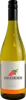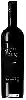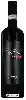
Winery Anno Domini 1590Campania Rosso
 Red wine


In the mouth this red wine is a powerful.
This wine generally goes well with beef, lamb or pasta.
Taste structure of the Campania Rosso from the Winery Anno Domini 1590
Light | Bold | |
Smooth | Tannic | |
Dry | Sweet | |
Soft | Acidic |
In the mouth the Campania Rosso of Winery Anno Domini 1590 in the region of Campania is a powerful.
Food and wine pairings with Campania Rosso
Pairings that work perfectly with Campania Rosso



Original food and wine pairings with Campania Rosso
The Campania Rosso of Winery Anno Domini 1590 matches generally quite well with dishes of beef, pasta or lamb such as recipes of rosbeef casserole mamie, awara broth or lamb parmentine with eggplant and spices.
Details and technical informations about Winery Anno Domini 1590's Campania Rosso.
Discover the grape variety: Aglianico
A very old grape variety grown in Italy, some believe it to be of Greek origin. In France, it is practically unknown. It can be found in Australia, the United States (California), Argentina, etc. It should not be confused with Aglianicone, another grape variety grown in Italy, which is, however, very similar to Aglianico.
Last vintages of this wine
The best vintages of Campania Rosso from Winery Anno Domini 1590 are 0
Informations about the Winery Anno Domini 1590
The Winery Anno Domini 1590 is one of of the world's great estates. It offers 17 wines for sale in the of Campania to come and discover on site or to buy online.

The wine region of Campania
Campania is a region that forms the "tibia" of the boot of Italy, and whose largest city is Naples. Its name comes from Campania felix, a Latin phrase meaning roughly "happy land". The region has strong historical links with wine and vineyards, dating back to the 12th century BC, and is one of the oldest wine regions in Italy. The considerable influence of ancient empires, including the Greeks, Romans and Byzantines, means that some of the varieties in this region are linked to historical legends.
The word of the wine: Presses
The juice that results from pressing the grapes after fermentation. At the end of the maceration, the vats are emptied, the first juice obtained is called the free-run wine and the marc remaining at the bottom of the vat is then pressed to give the press wine. We say more quickly "the presses". Their quality varies according to the vintage and the maceration. A too vigorous extraction releases the tannins of pips and the wine of press can then prove to be very astringent. Often the winemaker raises it separately, deciding later whether or not to incorporate it totally or partially into the grand vin.