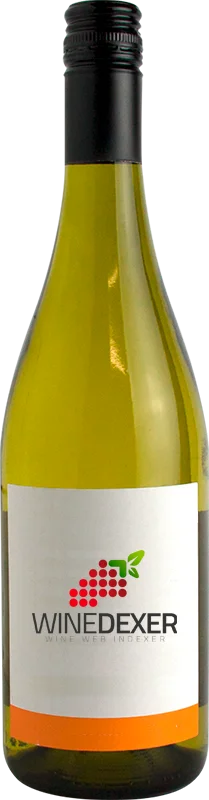
Winery Anno Domini 1590Campania Bianco
 White wine



In the mouth this white wine is a powerful.
This wine generally goes well with vegetarian, appetizers and snacks or shellfish.
Taste structure of the Campania Bianco from the Winery Anno Domini 1590
Light | Bold | |
Dry | Sweet | |
Soft | Acidic |
In the mouth the Campania Bianco of Winery Anno Domini 1590 in the region of Campania is a powerful.
Food and wine pairings with Campania Bianco
Pairings that work perfectly with Campania Bianco



Original food and wine pairings with Campania Bianco
The Campania Bianco of Winery Anno Domini 1590 matches generally quite well with dishes of shellfish, vegetarian or appetizers and snacks such as recipes of easy seafood gratin, tuna, pepper and tomato quiche or jars of sweet and sour pickles.
Details and technical informations about Winery Anno Domini 1590's Campania Bianco.
Discover the grape variety: Moschofilero
A very old variety cultivated in Greece, even today, especially in the Peloponnese region. It belongs to a large family called fileri or phileri, and the differences between the clones are sometimes quite marked. In France, it is almost unknown - however, it is registered in the Official Catalogue of wine grape varieties, list A1 - and plantations have been attempted in the United States, ... .
Last vintages of this wine
The best vintages of Campania Bianco from Winery Anno Domini 1590 are 0
Informations about the Winery Anno Domini 1590
The Winery Anno Domini 1590 is one of of the world's greatest estates. It offers 17 wines for sale in the of Campania to come and discover on site or to buy online.

The wine region of Campania
Campania is a region that forms the "tibia" of the boot of Italy, and whose largest city is Naples. Its name comes from Campania felix, a Latin phrase meaning roughly "happy land". The region has strong historical links with wine and vineyards, dating back to the 12th century BC, and is one of the oldest wine regions in Italy. The considerable influence of ancient empires, including the Greeks, Romans and Byzantines, means that some of the varieties in this region are linked to historical legends.
The word of the wine: Flavours
There are generally four so-called fundamental flavours: acidity, bitterness, sweetness and saltiness. The first three are considered to be the building blocks of the structure of wines. They are perceived by the taste buds that cover the surface of the tongue.