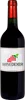
Winery Dom PedroPé de Ganso
 Red wine


This wine is a blend of 2 varietals which are the Touriga nacional and the Merlot.
In the mouth this red wine is a powerful with a lot of tannins present in the mouth.
This wine generally goes well with poultry, beef or game (deer, venison).
Taste structure of the Pé de Ganso from the Winery Dom Pedro
Light | Bold | |
Smooth | Tannic | |
Dry | Sweet | |
Soft | Acidic |
In the mouth the Pé de Ganso of Winery Dom Pedro in the region of Beiras is a powerful with a lot of tannins present in the mouth.
Food and wine pairings with Pé de Ganso
Pairings that work perfectly with Pé de Ganso



Original food and wine pairings with Pé de Ganso

The Pé de Ganso of Winery Dom Pedro matches generally quite well with dishes of beef, lamb or game (deer, venison) such as recipes of pasta al forno (baked pasta), lamb parmentine with eggplant and spices or rabbit with cream sauce anne's way.
Details and technical informations about Winery Dom Pedro's Pé de Ganso.
Discover the grape variety: Touriga nacional
Most certainly Portuguese, not to be confused with the Touriga Franca also of the same origin. In Portugal, where it is widely cultivated, it is used to produce, among other things, the famous red Porto. It is also found in Uzbekistan, Australia, South Africa, Cyprus, Spain, etc... very little known in France, although it is listed in the Official Catalogue of A1 vines.
Last vintages of this wine
The best vintages of Pé de Ganso from Winery Dom Pedro are 2011, 0, 2012
Informations about the Winery Dom Pedro
The Winery Dom Pedro is one of of the world's greatest estates. It offers 1 wines for sale in the of Beiras to come and discover on site or to buy online.

The wine region of Beiras
Beiras (Beira) is a traditional administrative region in the northern half of Portugal. It is also the name of the IGP, or Indicacoes Geograficas Protegidas, wine classification (formerly known as Vinho Regional) which covers the region as a whole. A wide range of wines are made in Beiras – red wines from the region are typically Rich, deeply colored wines made from Baga, Castelão, Rufete (Tinto Pinheira), Merlot, Cabernet Sauvignon, Syrah and Touriga Nacional, and are sometimes fortified to emulate their more famous Oporto cousins. Whites are most often based on Fernão Pires and Bical, the latter being a small-berried variety with the affectionate nickname Borrado das Moscaos ('fly droppings').
The word of the wine: Natural sweet wine
Wine obtained by mutage with wine alcohol of the must in the course of fermentation, from the Muscat, Grenache, Macabeu and Malvoisie grape varieties, and corresponding to strict conditions of production, richness and elaboration.