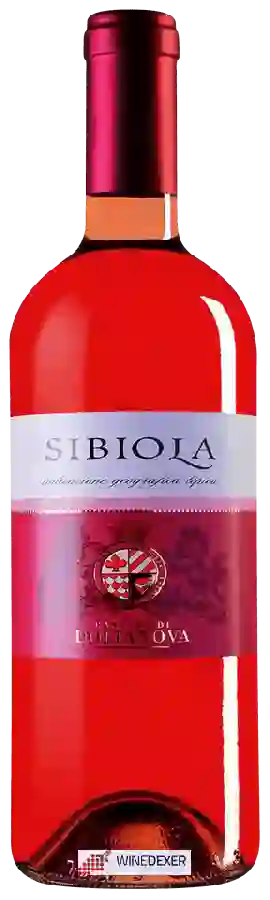
Winery Cantina di DolianovaSibiola Rosato
 Pink wine


This wine generally goes well with pork, vegetarian or poultry.

Food and wine pairings with Sibiola Rosato
Pairings that work perfectly with Sibiola Rosato



Original food and wine pairings with Sibiola Rosato



The Sibiola Rosato of Winery Cantina di Dolianova matches generally quite well with dishes of beef, lamb or veal such as recipes of boeuf lôc lac (cambodia), languedoc-roussillon lamb en papillote and its tajine with... or vienna cutlets.
Details and technical informations about Winery Cantina di Dolianova's Sibiola Rosato.
Discover the grape variety: Sangiovese
Firm, upright reds with precise acidity and angular tannins, showing aromas of sour cherry, plum, dried herbs, leather, black tea and balsamic notes. Characteristically bitter, savoury finish. Star of Chianti Classico DOCG, Brunello di Montalcino DOCG, Vino Nobile di Montepulciano DOCG and Morellino di Scansano. Italy's most planted variety, a descendant of Ciliegiolo × Calabrese di Montenuovo.
Last vintages of this wine

The best vintages of Sibiola Rosato from Winery Cantina di Dolianova are 2020, 2018, 2016, 2014 and 2019.
Informations about the Winery Cantina di Dolianova
The Winery Cantina di Dolianova is one of of the world's great estates. It offers 67 wines for sale in the of Sardinia to come and discover on site or to buy online.

The wine region of Sardinia
Italian Mediterranean wine island with 250+ varieties, strong native identity. Signature Cannonau (Grenache) in red: warm and deep with signature ripe cherry, garrigue, myrtle, spice and a balsamic touch, round tannins and a sun-drenched palate. Vermentino di Gallura DOCG star white (80% of Italian Vermentino): fresh and saline (citrus, pear, almond, sea iodine). Also dense Carignan, supple Monica, lively Nuragus, rare oxidative Vernaccia di Oristano.
The word of the wine: Lemonade maker
Corkscrew of the wine waiter equipped with a small blade allowing to cut the capsule, a worm and a system of rack allowing to extract the cork easily.