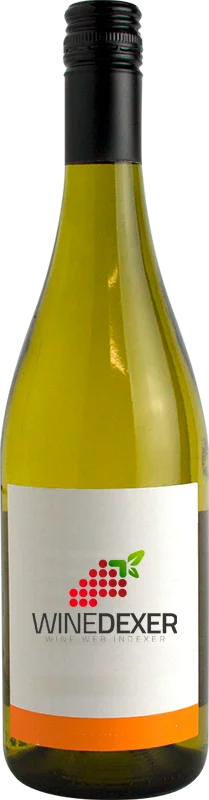
Winery DionigiVigna del Brillo Grechetto Colli Martani
 White wine



This wine generally goes well with

Details and technical informations about Winery Dionigi's Vigna del Brillo Grechetto Colli Martani.
Discover the grape variety: Gamay à jus blanc
Supple and fruity reds with a bright ruby colour, silky tannins and a juicy palate with preserved acidity, featuring signature aromas of red fruits (strawberry, raspberry, cherry), floral notes (peony) and banana in carbonic maceration. Drink young or age on the crus. Star of the ten Beaujolais crus (Morgon, Moulin-à-Vent, Fleurie), also grown in Touraine, Bugey and the Romand Switzerland. French black grape (synonym Gamay noir à jus blanc).
Last vintages of this wine
The best vintages of Vigna del Brillo Grechetto Colli Martani from Winery Dionigi are 2008, 0, 2015, 2016
Informations about the Winery Dionigi
The Winery Dionigi is one of of the world's great estates. It offers 20 wines for sale in the of Colli Martani to come and discover on site or to buy online.

The wine region of Colli Martani
Umbrian DOC south of Perugia on the Martani hills, between the Apennines and the Tiber valley. Grechetto is the native white signature: dry and structured with notes of pear, yellow apple, almond, white flowers and a mineral touch, good acidity — capable of aging. Sangiovese is the red signature (≥50% of the Rosso) blended with Montepulciano: ruby-fruited with cherry, plum, herbs and a spiced touch, supple tannins. Trebbiano and Chardonnay complement the whites.
The wine region of Umbria
"Green heart" of Italy, cradle of Sagrantino: exceptional tannic red in Sagrantino di Montefalco DOCG, dense and concentrated with notes of blackberry, candied plum, liquorice, spice and leather, powerful tannins and long ageing. Suppler Sangiovese in blends, Cabernet and Merlot in Torgiano DOCG. Orvieto whites based on Grechetto and Trebbiano, full and almondy, from dry to sweet Muffato. ~13,000 ha between Tuscany and Lazio.
The word of the wine: Ploussard
See poulsard.