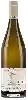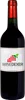
Winery Didier ChaumontMâcon-Charnay
 Red wine
In the mouth this red wine is a with a nice freshness.
This wine generally goes well with poultry, beef or veal.

Taste structure of the Mâcon-Charnay from the Winery Didier Chaumont
Light | Bold | |
Smooth | Tannic | |
Dry | Sweet | |
Soft | Acidic |
In the mouth the Mâcon-Charnay of Winery Didier Chaumont in the region of Burgundy is a with a nice freshness.
Food and wine pairings with Mâcon-Charnay
Pairings that work perfectly with Mâcon-Charnay



Original food and wine pairings with Mâcon-Charnay

The Mâcon-Charnay of Winery Didier Chaumont matches generally quite well with dishes of beef, veal or game (deer, venison) such as recipes of grandma melanie's cassoulet, wiener schnitzel or viennese schnitzel or rabbit with basquaise sauce.
Details and technical informations about Winery Didier Chaumont's Mâcon-Charnay.
Discover the grape variety: Vernaccia di Oristano
Long-aged oxidative and structured whites with an amber robe, a dense palate with fine acidity on bitter almond, dried fruits (walnut), saline and marked oxidative aromas (sherry style). Aged under a veil of flor in the manner of Andalusian fino. Star of the Vernaccia di Oristano DOC, a great traditional Sardinian oxidative wine. Vernaccia variety grown in Sardinia, in the Oristano region.
Informations about the Winery Didier Chaumont
The Winery Didier Chaumont is one of of the world's greatest estates. It offers 4 wines for sale in the of Mâcon to come and discover on site or to buy online.

The wine region of Mâcon
Vast flagship appellation of the Mâconnais (southern Burgundy): Chardonnay signature as the white king — pale gold with silvery glints, fresh and easy-drinking with notes of apple, pear, peach, apricot, citrus and a signature quince touch, vivid fruit-acidity balance. Gamay and Pinot Noir in supple fruity reds (cassis, blackberry, redcurrant, violet, undergrowth), melted tannins. AOC (1937), ~4,400 ha across 96 communes (Saône-et-Loire), limestone, clay and schist, semi-continental temperate.
The wine region of Burgundy
Absolute reference for great terroir wines: opulent, mineral Chardonnay in whites (chiselled Chablis, buttery Meursault, majestic Montrachet), fine and silky Pinot Noir in reds (full-bodied Gevrey, structured Pommard, delicate Volnay). Exceptional age-worthy wines with complex notes - red fruits, undergrowth, butter, hazelnut. Some lively Aligoté and light Gamay (Mâconnais). 29,500 ha, 84 tiered AOCs (Régionale, Village, 1er Cru, Grand Cru), 1,247 UNESCO Climats.
The word of the wine: Ventilation
Aeration is the process of decanting the wine to oxygenate it and thus promote the expression of the aromatic range and the harmony of the flavours.