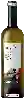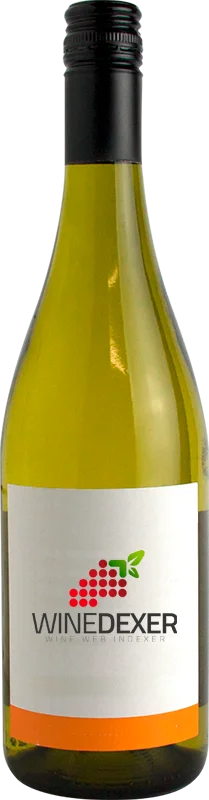
Winery Di FilippoFarandola Trebbiano Spoletino
 White wine



In the mouth this white wine is a powerful with a nice freshness.
This wine generally goes well with vegetarian, appetizers and snacks or lean fish.
Taste structure of the Farandola Trebbiano Spoletino from the Winery Di Filippo
Light | Bold | |
Dry | Sweet | |
Soft | Acidic |
In the mouth the Farandola Trebbiano Spoletino of Winery Di Filippo in the region of Umbria is a powerful with a nice freshness.
Wine flavors and olphactive analysis

On the nose the Farandola Trebbiano Spoletino of Winery Di Filippo in the region of Umbria often reveals types of flavors of earth, tree fruit or citrus fruit.
Food and wine pairings with Farandola Trebbiano Spoletino
Pairings that work perfectly with Farandola Trebbiano Spoletino



Original food and wine pairings with Farandola Trebbiano Spoletino


The Farandola Trebbiano Spoletino of Winery Di Filippo matches generally quite well with dishes of pasta, vegetarian or appetizers and snacks such as recipes of pasta à la forestière (chanterelles), light tuna-tomato quiche (without cream) or tomato tartar.
Details and technical informations about Winery Di Filippo's Farandola Trebbiano Spoletino.
Discover the grape variety: Feteasca neagra
A very old variety native to Romania, found much more in Romanian Moldavia and Wallachia, almost unknown in France, but registered in the Official Catalogue of Wine Grape Varieties, list A2. According to Viala and Vermorel, it is the black form of feteasca alba. It should not be confused with feteasca regala.
Last vintages of this wine
The best vintages of Farandola Trebbiano Spoletino from Winery Di Filippo are 2017, 2018, 2016, 2015 and 2013.
Informations about the Winery Di Filippo
The Winery Di Filippo is one of of the world's greatest estates. It offers 26 wines for sale in the of Umbria to come and discover on site or to buy online.

The wine region of Umbria
Umbria, in CentralItaly, is a region of lush hills, hilltop villages and iconic historic towns. The latter are exemplified by Orvieto and Assisi. At the very heart of the Italian peninsula, it is surrounded by Tuscany, Marche and Lazio. It is in fact the only Italian region without a coastline or international border.
The word of the wine: Secondary aromas
Aromas resulting from the fermentation and maturation of the wine before bottling. The aging in barrels modifies considerably the texture and the flavours of the wine.