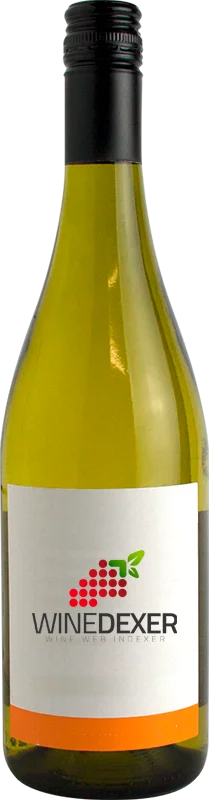
Winery Derbent Wine CompanyDi Caspico Rkatsiteli
 White wine


This wine generally goes well with pork, vegetarian or poultry.
The Di Caspico Rkatsiteli of the Winery Derbent Wine Company is in the top 70 of wines of Dagestan.

Food and wine pairings with Di Caspico Rkatsiteli
Pairings that work perfectly with Di Caspico Rkatsiteli



Original food and wine pairings with Di Caspico Rkatsiteli



The Di Caspico Rkatsiteli of Winery Derbent Wine Company matches generally quite well with dishes of pork, rich fish (salmon, tuna etc) or shellfish such as recipes of zucchini lasagna, tuna pizza or fondue with lao sukiyaki sauce (laos).
Details and technical informations about Winery Derbent Wine Company's Di Caspico Rkatsiteli.
Discover the grape variety: Grenache Gris
Structured and rich whites and rosés with a pale salmon or golden robe, full mouthfeel and moderate acidity, with aromas of yellow fruits (pear, peach), candied citrus, white flowers, fennel, garrigue and schist mineral notes. Good ageing potential. Star of the great identity whites of Roussillon (Côtes du Roussillon AOC, Collioure AOC) on schist soils. A grey-skinned mutation of the Aragonese Grenache Noir.
Last vintages of this wine
The best vintages of Di Caspico Rkatsiteli from Winery Derbent Wine Company are 0
Informations about the Winery Derbent Wine Company
The Winery Derbent Wine Company is one of of the world's great estates. It offers 37 wines for sale in the of Dagestan to come and discover on site or to buy online.

The wine region of Dagestan
Russian republic on the Caspian coast, country's second largest vineyard (26%), climate ranging from semi-arid to continental, ancestral wild vines in the mountains. Muscat Derbentskiy aromatic white king: vibrant with fresh grape, rose, citrus and honey — from dry to sweet solar. Rare indigenous Agadai, Asyl Kara, Gimra, Narma. Dense Cabernet and Saperavi reds (blackberry, black cherry, spice).
The word of the wine: Burned
Qualifier, sometimes equivocal, of various odors, ranging from caramel to burnt wood.