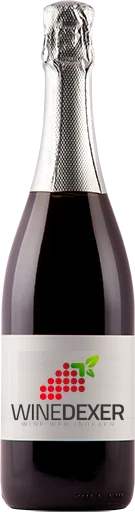
Winery Derbent Wine CompanyDi Caspico Extra Brut
 Sparkling wine



This wine generally goes well with appetizers and snacks, lean fish or shellfish.
The Di Caspico Extra Brut of the Winery Derbent Wine Company is in the top 10 of wines of Dagestan.

Food and wine pairings with Di Caspico Extra Brut
Pairings that work perfectly with Di Caspico Extra Brut



Original food and wine pairings with Di Caspico Extra Brut

The Di Caspico Extra Brut of Winery Derbent Wine Company matches generally quite well with dishes of shellfish, appetizers and snacks or lean fish such as recipes of pasta shells, chicken skewers with curry and lemon or fish paella.
Details and technical informations about Winery Derbent Wine Company's Di Caspico Extra Brut.
Discover the grape variety: Catarratto Bianco
Fresh, structured dry whites with a pale golden color, supple palate and preserved acidity, offering signature aromas of citrus (lemon, bitter orange), almond, white flowers (orange blossom), Mediterranean herbs and mineral notes. A sunny, thirst-quenching profile. Pillar of Sicilian dry whites (Alcamo DOC, Etna Bianco DOC) and essential component of traditional Marsala DOC. One of Italy's most planted varieties, indigenous to Sicily.
Last vintages of this wine
The best vintages of Di Caspico Extra Brut from Winery Derbent Wine Company are 0, 2019
Informations about the Winery Derbent Wine Company
The Winery Derbent Wine Company is one of of the world's greatest estates. It offers 37 wines for sale in the of Dagestan to come and discover on site or to buy online.

The wine region of Dagestan
Russian republic on the Caspian coast, country's second largest vineyard (26%), climate ranging from semi-arid to continental, ancestral wild vines in the mountains. Muscat Derbentskiy aromatic white king: vibrant with fresh grape, rose, citrus and honey — from dry to sweet solar. Rare indigenous Agadai, Asyl Kara, Gimra, Narma. Dense Cabernet and Saperavi reds (blackberry, black cherry, spice).
The word of the wine: Pruine
A thin, fluffy film that covers the surface of the grape. It makes the berry impermeable and contains the indigenous yeasts necessary for the fermentation of the must.