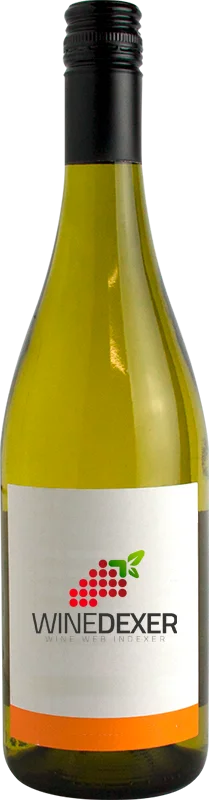
Winery DelleselveErretre Bianco
 White wine
In the mouth this white wine is a powerful with a nice freshness.
This wine generally goes well with vegetarian, appetizers and snacks or lean fish.

Taste structure of the Erretre Bianco from the Winery Delleselve
Light | Bold | |
Dry | Sweet | |
Soft | Acidic |
In the mouth the Erretre Bianco of Winery Delleselve in the region of Emilia-Romagna is a powerful with a nice freshness.
Food and wine pairings with Erretre Bianco
Pairings that work perfectly with Erretre Bianco



Original food and wine pairings with Erretre Bianco


The Erretre Bianco of Winery Delleselve matches generally quite well with dishes of pasta, vegetarian or appetizers and snacks such as recipes of pasta with ham, spinach and goat cheese quiche or caricoles as in brussels (translation: sea snails or whelks).
Details and technical informations about Winery Delleselve's Erretre Bianco.
Discover the grape variety: Himrod
Aromatic and fruity whites with a pale golden hue, a supple palate with preserved acidity, and signature Muscat aromas (rose, fresh grape), yellow fruits and honey notes. Early-ripening and cold-hardy. Also a seedless table grape. Grown in the north-eastern USA (New York) and Canada (Ontario) for local white wines and fresh consumption. American seedless white grape variety obtained in 1952 by Cornell University (Ontario × Sultanina).
Informations about the Winery Delleselve
The Winery Delleselve is one of of the world's greatest estates. It offers 7 wines for sale in the of Emilia-Romagna to come and discover on site or to buy online.

The wine region of Emilia-Romagna
Kingdom of Lambrusco: fresh, fruity sparkling reds (blackberry, cherry, violet), from gourmet dry to convivial off-dry, perfect with local charcuterie. World's best-selling sparkling wine on the Emilia side (Sorbara, Grasparossa, Salamino). East, Romagna: supple fruity Sangiovese, Albana (Italy's 1st white DOCG, 1987) ample and almondy. Also red Gutturnio and white Pignoletto.
The word of the wine: Wooded
A set of aromas brought about by ageing in barrels (usually oak). This can be pleasant when, in small doses, it brings a touch of spice, roast or vanilla to an already constructed ensemble. When the violent woodiness dominates the wine, it is quickly tiring. Easily identifiable aromatically, it is sought after (to the point of abuse) by the makers of coarse wines. New World manufacturers and, alas, some French winemakers use oak chips to impart the woody taste, which is tantamount to artificial flavoring.






