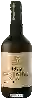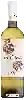
Bodegas DelgadoManolo Fino Seco
 White wine



This wine generally goes well with

Details and technical informations about Bodegas Delgado's Manolo Fino Seco.
Discover the grape variety: Vernaccia
Structured, mineral whites with a pale golden robe, a taut palate with preserved acidity, and signature aromas of almond, white flowers, citrus (lemon), and saline notes. Distinctive Tuscan identity (San Gimignano). The star of Italy's first DOC (1966), promoted to DOCG in 1993. An Italian white variety whose name is shared by several distinct varieties (San Gimignano, Oristano, Serrapetrona).
Last vintages of this wine
The best vintages of Manolo Fino Seco from Bodegas Delgado are 0
Informations about the Bodegas Delgado
The Bodegas Delgado is one of of the world's great estates. It offers 6 wines for sale in the of Montilla-Moriles to come and discover on site or to buy online.

The wine region of Montilla-Moriles
Andalusian DO south of Córdoba, long confused with neighboring Jerez. Pedro Ximénez signature king grape: harvested fully ripe then sun-dried (soleo). Sweet liquoroso signature wines with signature notes of raisin, dried fig, date, caramel, coffee, licorice, dark chocolate and balsamic hint, unctuous long palate — the densest PX dessert wine in the world. Also dry solera versions (Fino, Amontillado, Oloroso).
The wine region of Andalousie
Dry, sun-baked southern Spain, world cradle of fortified and oxidative wines. Sherry from Jerez is the signature: Palomino Fino under a veil of flor yields lively, saline Fino with signature notes of almond, yeast, green apple and a sharp iodine edge; more maritime Manzanilla (Sanlúcar); unveiled Oloroso in grand oxidation (walnut, caramel, tobacco). Pedro Ximénez from Montilla-Moriles: intense dark sweet (fig, raisin, coffee, molasses). Also muscat Málaga.
The word of the wine: Tartar (deposit)
White, chalky deposits that occur as a result of precipitation inside bottles and are often considered by consumers as a defect. They are in fact tartaric salts formed by tartaric acid, potassium and calcium naturally present in the wine. This deposit does not alter the quality of the wine and can be eliminated by a simple decanting.