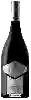
Winery Dehesa de los LlanosMazacruz Blanco
 White wine


This wine generally goes well with pork, vegetarian or rich fish (salmon, tuna etc).
Food and wine pairings with Mazacruz Blanco
Pairings that work perfectly with Mazacruz Blanco



Original food and wine pairings with Mazacruz Blanco


The Mazacruz Blanco of Winery Dehesa de los Llanos matches generally quite well with dishes of pork, rich fish (salmon, tuna etc) or shellfish such as recipes of white cabbage with bacon, salmon steaks with cream sauce or wok of pointed cabbage with shrimps and lemongrass bo bun style.
Details and technical informations about Winery Dehesa de los Llanos's Mazacruz Blanco.
Discover the grape variety: Verdejo
An ancient grape variety that has been cultivated for a long time, mainly in the Rueda region of northwestern Spain. D.N.A. tests show that it is the result of a natural cross between Savagnin and Castellana Blanco. It should not be confused with the Verdelho, which is very well known in Portugal, and the Verdelho Branco, which is almost more widespread. The Verdejo is registered in the Official Catalogue of wine grape varieties list A. It can also be found in the United States (Virginia, California, etc.), Australia, Portugal, etc., but is practically unknown in France.
Last vintages of this wine
The best vintages of Mazacruz Blanco from Winery Dehesa de los Llanos are 0
Informations about the Winery Dehesa de los Llanos
The Winery Dehesa de los Llanos is one of of the world's greatest estates. It offers 8 wines for sale in the of Castille to come and discover on site or to buy online.

The wine region of Castille
Castilla-La Mancha is a large region located South and east of the Spanish capital, Madrid. Inexpensive table wines are produced from a variety of Grapes. Higher quality wines are increasingly available, but the region is traditionally known as a source of low quality bulk wine. More than half of Spain's grapes are grown here.
The word of the wine: Delicate
Said of a wine that is fine and subtle in the mouth.