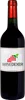
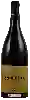
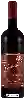
Winery RaddeckSpätburgunder SteinHügel
 Red wine


In the mouth this red wine is a with a nice freshness.
This wine generally goes well with poultry, beef or veal.

Taste structure of the Spätburgunder SteinHügel from the Winery Raddeck
Light | Bold | |
Smooth | Tannic | |
Dry | Sweet | |
Soft | Acidic |
In the mouth the Spätburgunder SteinHügel of Winery Raddeck in the region of Rheinhessen is a with a nice freshness.
Food and wine pairings with Spätburgunder SteinHügel
Pairings that work perfectly with Spätburgunder SteinHügel



Original food and wine pairings with Spätburgunder SteinHügel

The Spätburgunder SteinHügel of Winery Raddeck matches generally quite well with dishes of beef, veal or game (deer, venison) such as recipes of baked lasagna, alsatian fondue or deer jig.
Details and technical informations about Winery Raddeck's Spätburgunder SteinHügel.
Discover the grape variety: Reine des vignes
Table grape with medium clusters and golden berries with thin skin and aromatic muscat flesh, featuring a characteristic aromatic sweet flavour (rose, fresh grape, muscat). Very early-ripening. Grown mainly in central Europe (Hungary, Italy) and France for fresh consumption, a signature aromatic summer table grape on market stalls. French aromatic white table grape variety, obtained by early-ripening and muscat crossing for fresh consumption.
Last vintages of this wine
The best vintages of Spätburgunder SteinHügel from Winery Raddeck are 0
Informations about the Winery Raddeck
The Winery Raddeck is one of of the world's great estates. It offers 59 wines for sale in the of Rheinhessen to come and discover on site or to buy online.

The wine region of Rheinhessen
71% white region: Riesling is king (5,000 ha), dry to off-dry, ripe yellow fruit, apple, citrus and fine saline minerality. Supple, floral Müller-Thurgau for everyday, the world's largest Silvaner plantation with herbaceous, straight notes. Historic cradle of off-sweet Liebfraumilch. Some supple reds (Dornfelder, Spätburgunder).
The word of the wine: Tanin
A natural compound contained in the skin of the grape, the seed or the woody part of the bunch, the stalk. The maceration of red wines allows the extraction of tannins, which give the texture, the solidity and also the mellowness when the tannins are "ripe". The winemaker seeks above all to extract the tannins from the skin, the ripest and most noble. The tannins of the seed or stalk, which are "greener", especially in average years, give the wine hardness and astringency. The wines of Bordeaux (based on Cabernet and Merlot) are full of tannins, those of Burgundy much less so, with Pinot Noir containing little.