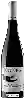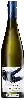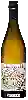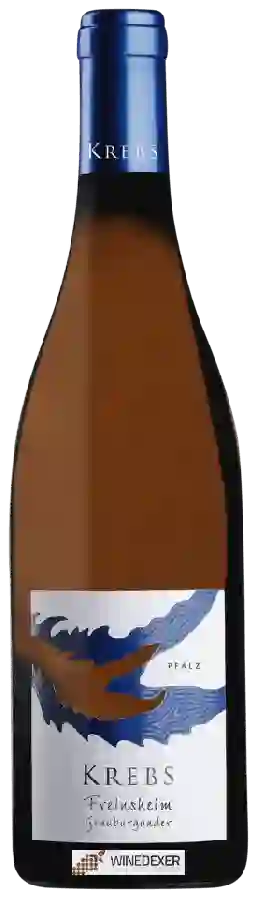
Winery KrebsGrauburgunder Freinsheim
 White wine



In the mouth this white wine is a powerful.
This wine generally goes well with pork, cured meat or mushrooms.

Taste structure of the Grauburgunder Freinsheim from the Winery Krebs
Light | Bold | |
Dry | Sweet | |
Soft | Acidic |
In the mouth the Grauburgunder Freinsheim of Winery Krebs in the region of Pfalz is a powerful.
Food and wine pairings with Grauburgunder Freinsheim
Pairings that work perfectly with Grauburgunder Freinsheim


Original food and wine pairings with Grauburgunder Freinsheim

The Grauburgunder Freinsheim of Winery Krebs matches generally quite well with dishes of pork, spicy food or mushrooms such as recipes of cassoulet of yesteryear, moroccan veal tagine from hanane or risotto with porcini mushrooms.
Details and technical informations about Winery Krebs's Grauburgunder Freinsheim.
Discover the grape variety: Gewurztraminer
Full-bodied, exotic whites, rich and heady, with moderate acidity, showing opulent aromas of lychee, rose, mango, ginger, pink grapefruit and gentle spice. Made as aromatic dry, moelleux late-harvest and liquorous sélection de grains nobles. Star of Alsace AOC (one of the four noble varieties) and signature of Alto Adige (Tramin), Palatinate and Germany. A pink mutation of Traminer.
Last vintages of this wine
The best vintages of Grauburgunder Freinsheim from Winery Krebs are 0, 2018
Informations about the Winery Krebs
The Winery Krebs is one of of the world's great estates. It offers 39 wines for sale in the of Pfalz to come and discover on site or to buy online.

The wine region of Pfalz
Fleshy, dry, fruity Riesling is the region's signature: yellow peach, apricot, ripe citrus, lovely mineral tension. Germany's largest red-wine area (40%), with silky Spätburgunder showing red fruit and spice, darker structured Dornfelder, supple Portugieser. Some rounded Pinot Blanc and Pinot Gris. A 23,640 ha vineyard along the Haardt, among Germany's warmest (>2,000 h of sun).
The word of the wine: Extra raw
Champagne dosed between 0 and 6 grams of sugar (see dosage liqueur).