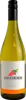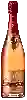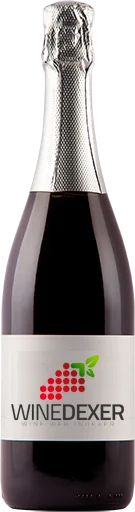
Winery David Ermel & FilsCrémant d'Alsace Millésime
 Sparkling wine



In the mouth this sparkling wine is a powerful with a nice vivacity and a fine and pleasant bubble.
This wine generally goes well with poultry, appetizers and snacks or lean fish.

Taste structure of the Crémant d'Alsace Millésime from the Winery David Ermel & Fils
Light | Bold | |
Soft | Acidic | |
Gentle | Fizzy |
In the mouth the Crémant d'Alsace Millésime of Winery David Ermel & Fils in the region of Alsace is a powerful with a nice vivacity and a fine and pleasant bubble.
Food and wine pairings with Crémant d'Alsace Millésime
Pairings that work perfectly with Crémant d'Alsace Millésime



Original food and wine pairings with Crémant d'Alsace Millésime


The Crémant d'Alsace Millésime of Winery David Ermel & Fils matches generally quite well with dishes of shellfish, poultry or appetizers and snacks such as recipes of shrimp with cream and fettuccine, wild asparagus omelette or brioche shuttles.
Details and technical informations about Winery David Ermel & Fils's Crémant d'Alsace Millésime.
Discover the grape variety: Cinsault
Light, fresh reds with a clear robe, supple tannins and a tender mouth, featuring aromas of wild strawberry, raspberry, rose, peony and soft spices. The absolute pillar of Provençal rosés (Côtes de Provence AOC, Bandol rosé) to which it brings finesse and freshness, also a component of GSM blends in Côtes-du-Rhône and Languedoc. Also a single variety in South Africa where it is a parent of Pinotage. Historic southern French grape.
Informations about the Winery David Ermel & Fils
The Winery David Ermel & Fils is one of of the world's greatest estates. It offers 29 wines for sale in the of Crémant d'Alsace to come and discover on site or to buy online.

The wine region of Crémant d'Alsace
France's best-selling sparkling wine after Champagne. Fine traditional-method bubbles (min. 9 months on lees), fresh and fruity with signature notes of green apple, pear, white flowers and almond, a taut finish. Dominant Pinot Blanc (roundness, supple base), ample Pinot Auxerrois, mineral Riesling and taut Chardonnay.
The wine region of Alsace
Capital of great French aromatic whites, most often dry and single-varietal. Straight, mineral Riesling (lemon, gunflint), opulent, exuberant Gewurztraminer (lychee, rose, spices), round, smoky Pinot Gris, floral, crisp Muscat, supple Pinot Blanc. Fine, fruity Crémants d'Alsace, exceptional sweet Vendanges Tardives and Sélection de Grains Nobles. 15,500 ha at the foot of the Vosges on varied soils, 51 Grands Crus since 1975.
The word of the wine: Sommelier
Person working in a restaurant and responsible for the wine service. The head sommelier is responsible for putting together the wine list, managing the sommelier brigade, and ensuring the sale of wines according to the dishes (food and wine pairing).