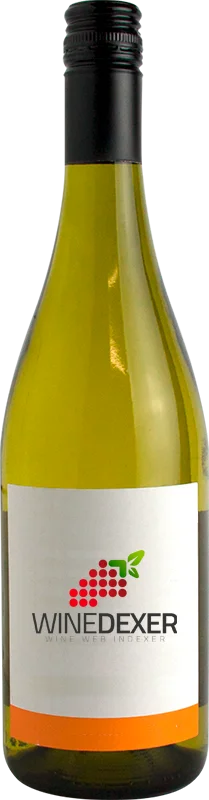
Datca Vineyard & WinerySilenus Chardonnay
 White wine



This wine generally goes well with pork, vegetarian or poultry.
Food and wine pairings with Silenus Chardonnay
Pairings that work perfectly with Silenus Chardonnay



Original food and wine pairings with Silenus Chardonnay

The Silenus Chardonnay of Datca Vineyard & Winery matches generally quite well with dishes of pork, rich fish (salmon, tuna etc) or vegetarian such as recipes of pork stew with bacon and cream, salmon steaks with soy sauce or cream and tuna quiche.
Details and technical informations about Datca Vineyard & Winery's Silenus Chardonnay.
Discover the grape variety: Chardonnay
The white Chardonnay is a grape variety that originated in France (Burgundy). It produces a variety of grape specially used for wine making. It is rare to find this grape to eat on our tables. This variety of grape is characterized by small bunches, and small grapes. White Chardonnay can be found in many vineyards: South West, Burgundy, Jura, Languedoc & Roussillon, Cognac, Bordeaux, Beaujolais, Savoie & Bugey, Loire Valley, Champagne, Rhone Valley, Armagnac, Lorraine, Alsace, Provence & Corsica.
Last vintages of this wine
The best vintages of Silenus Chardonnay from Datca Vineyard & Winery are 0
Informations about the Datca Vineyard & Winery
The Datca Vineyard & Winery is one of of the world's greatest estates. It offers 15 wines for sale in the of Aegean to come and discover on site or to buy online.

The wine region of Aegean
The Aegean wine region Lies in the western Part of Turkey, on the end of the Anatolian peninsula, facing the Aegean Sea and the Greek Islands. It accounts for over half of all wine produced in the country. The Climate is typically Mediterranean with hot summers and mild winters. Coastal vineyards are often at an altitude of around 150 meters, and have the most pronounced maritime influences.
The word of the wine: Sulphur
An antiseptic and antioxidant substance known since antiquity, probably already used by the Romans. But it was only in modern times that its use was rediscovered. It will allow a better conservation of the wine and thus favour its export. Sulphur also gave the 18th century winegrower the possibility of extending the maceration period without fearing that the wine would turn sour and thus go from dark rosé wines to the red wines of today. Excessive sulphur, on the other hand, kills happiness, paralysing the aromas and causing headaches.