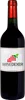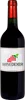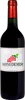
Winery Daniel SageAbreuver Ses Sillons
 Red wine


This wine generally goes well with beef

Wine flavors and olphactive analysis

On the nose the Abreuver Ses Sillons of Winery Daniel Sage in the region of Vin de France often reveals types of flavors of red fruit.
Food and wine pairings with Abreuver Ses Sillons
Pairings that work perfectly with Abreuver Ses Sillons

Original food and wine pairings with Abreuver Ses Sillons
The Abreuver Ses Sillons of Winery Daniel Sage matches generally quite well with dishes of beef such as recipes of melt-in-the-mouth pork tenderloin casserole.
Details and technical informations about Winery Daniel Sage's Abreuver Ses Sillons.
Discover the grape variety: Gamay noir
Light, juicy reds, low in tannins with crunchy freshness, showing aromas of wild strawberry, raspberry, banana (from carbonic maceration) and peony. Easy-drinking style of Beaujolais Nouveau, more structured and mineral on the granites of the ten crus (Morgon, Moulin-à-Vent, Fleurie, Brouilly). Also in Touraine, Auvergne and Swiss Romande. A Burgundian variety, a cross of Pinot Noir × Gouais Blanc.
Last vintages of this wine
The best vintages of Abreuver Ses Sillons from Winery Daniel Sage are 2018, 2017
Informations about the Winery Daniel Sage
The Winery Daniel Sage is one of of the world's greatest estates. It offers 16 wines for sale in the of Vin de France to come and discover on site or to buy online.

The wine region of Vin de France
The freest category of French wine, the playground of winemakers working outside the AOC. All styles combined: fruity reds, lively or ambitious whites, everyday rosés, unusual blends, natural wines, atypical grapes (Petit Manseng in Languedoc, Riesling in Provence), experimental winemaking (skin-contact whites, no sulphur). Grape and vintage labelling allowed, no geographic constraint. From the pop, convivial cuvée to the artisan gem: freedom in a bottle.
The word of the wine: Acidic (flavor)
Acidity is present in all wines, and is essential in white wines. It is due to the presence of different organic acids in the wine, and is expressed in the mouth by a sensation of freshness combined with other elements, such as minerality or a note of bitterness. Moderately present, it brings relief and vivacity to the wine.