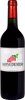
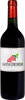
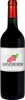
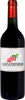
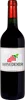
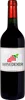
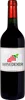
Winery DalmacijavinoMerlot Barrique
 Red wine



This wine generally goes well with beef and game (deer, venison).

Wine flavors and olphactive analysis

On the nose the Merlot Barrique of Winery Dalmacijavino in the region of Dalmatian Coast often reveals types of flavors of oak, red fruit.
Food and wine pairings with Merlot Barrique
Pairings that work perfectly with Merlot Barrique


Original food and wine pairings with Merlot Barrique
The Merlot Barrique of Winery Dalmacijavino matches generally quite well with dishes of beef or game (deer, venison) such as recipes of beef luc lake or giant paella cooked on a wood fire.
Details and technical informations about Winery Dalmacijavino's Merlot Barrique.
Discover the grape variety: Merlot
Round and fleshy reds with a velvety texture, showing aromas of ripe plum, black cherry, cocoa and truffle notes with age. Supple tannins, generous alcohol, indulgent finish. Pillar of Libournais (Pomerol with Pétrus, Saint-Émilion with Cheval Blanc and Ausone) and signature of Super Tuscans, Italian Wales and Washington State. A cross of Cabernet Franc × Magdeleine Noire, France's most planted red variety.
Last vintages of this wine
The best vintages of Merlot Barrique from Winery Dalmacijavino are 2013, 0
Informations about the Winery Dalmacijavino
The Winery Dalmacijavino is one of of the world's greatest estates. It offers 15 wines for sale in the of Dalmatian Coast to come and discover on site or to buy online.

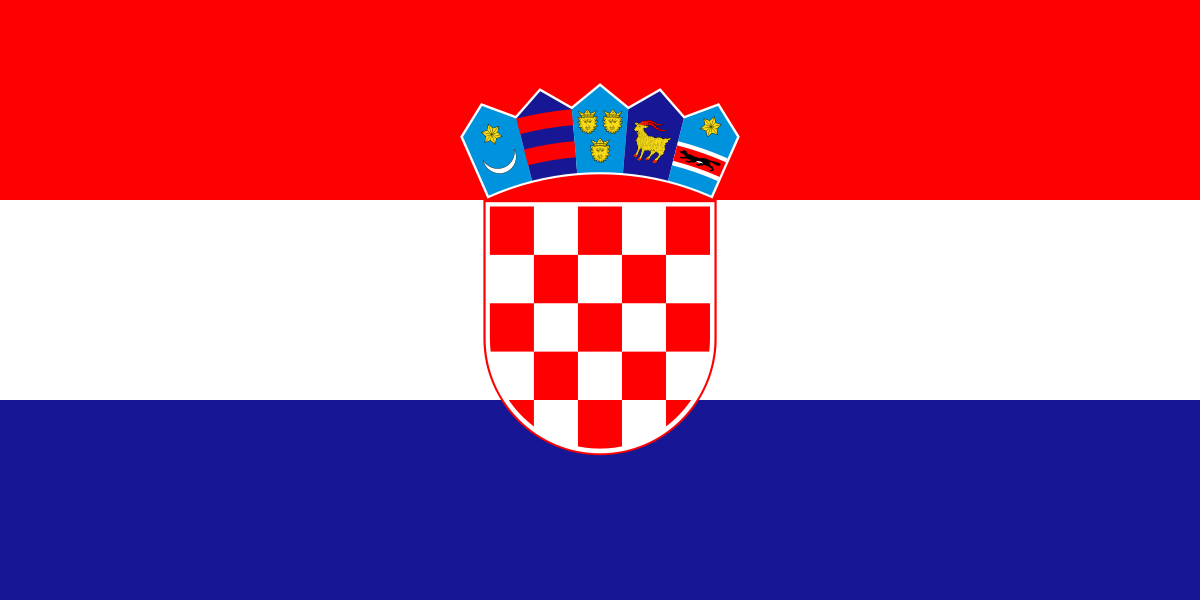
The wine region of Dalmatian Coast
Croatia's Adriatic coast, native identity grapes in full revival. Signature Plavac Mali: powerful, sun-soaked reds with notes of candied blackberry, black plum, dried fig, garrigue, tobacco and spices, firm tannins and a warm palate — at its peak in Dingač and Postup (Pelješac). Also dense Babić. Ample, aromatic Pošip whites (pear, honey, fennel), lively Maraština, mineral Debit.
The word of the wine: Muscat blanc à petits grains
A white grape variety cultivated since antiquity on the shores of the Mediterranean, it is considered the noblest of the muscats. It is mainly used to make sweet wines, often from mutage. In France, it is the sole variety used in many natural sweet wines: muscat-de-frontignan, muscat-de-mireval, muscat-de-lunel, muscat-de-saint-jean-de-minervois, muscat-de-beaumes-de-venise, muscat-du-cap-corse. Combined with Muscat d'Alexandrie, it gives Muscat-de-Rivesaltes. It is also used to make sparkling white wines (clairette-de-die; moscato d'asti and asti spumante in Italy) and dry wines (alsace-muscat). Powerfully aromatic and complex, its wines evoke fresh grapes, roses, exotic fruits, citrus fruits and spices.