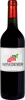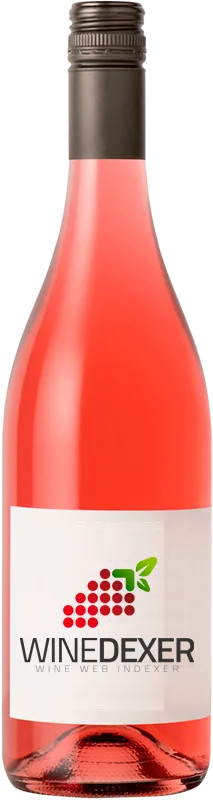
Winery Da LucaPuglia Rosato
 Pink wine


This wine generally goes well with
Details and technical informations about Winery Da Luca's Puglia Rosato.
Discover the grape variety: Brayades
Most certainly from the Rhone Valley, it was practically only found in the Ardèche. Today, it has almost disappeared and the photographs below may be the last ones as the strain we found has since been pulled out. - Synonymy: exbrayat, to be used in the masculine form (for all the synonyms of the grape varieties, click here!).
Last vintages of this wine

The best vintages of Puglia Rosato from Winery Da Luca are 2008, 2009, 2013, 0 and 2014.
Informations about the Winery Da Luca
The Winery Da Luca is one of of the world's greatest estates. It offers 14 wines for sale in the of Puglia to come and discover on site or to buy online.

The wine region of Puglia
Puglia (Apulia to many English speakers) is a Long, slender wine region in the extreme Southeast corner of Italy's "boot". To use the shoe analogy often used to illustrate the shape of Italy, Apulia extends from the tip of the heel to the mid-calf, where the spur of the Gargano Peninsula juts out into the Adriatic Sea. The heel (the Salento peninsula) occupies the southern half of the region and is of great importance for the identity of Puglia. Not only are there cultural and geographical differences from Northern Puglia, but the wines are also different.
The word of the wine: Tanin
A natural compound contained in the skin of the grape, the seed or the woody part of the bunch, the stalk. The maceration of red wines allows the extraction of tannins, which give the texture, the solidity and also the mellowness when the tannins are "ripe". The winemaker seeks above all to extract the tannins from the skin, the ripest and most noble. The tannins of the seed or stalk, which are "greener", especially in average years, give the wine hardness and astringency. The wines of Bordeaux (based on Cabernet and Merlot) are full of tannins, those of Burgundy much less so, with Pinot Noir containing little.