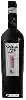
Winery Croce di FeboManco Rosso
 Red wine



In the mouth this red wine is a .
This wine generally goes well with poultry, beef or veal.
Taste structure of the Manco Rosso from the Winery Croce di Febo
Light | Bold | |
Smooth | Tannic | |
Dry | Sweet | |
Soft | Acidic |
In the mouth the Manco Rosso of Winery Croce di Febo in the region of Tuscany is a .
Food and wine pairings with Manco Rosso
Pairings that work perfectly with Manco Rosso



Original food and wine pairings with Manco Rosso


The Manco Rosso of Winery Croce di Febo matches generally quite well with dishes of beef, lamb or veal such as recipes of picadillo, oriental stew with couscous or alsatian wine pie.
Details and technical informations about Winery Croce di Febo's Manco Rosso.
Discover the grape variety: Gros Cabernet
A very old variety grown in the Bordeaux region, where it originated. It is the result of a natural intraspecific cross between iron and black txakoli, although this has yet to be confirmed, especially as the latter has the same synonym (h)ondarrabi beltza, which is also attributed to cabernet franc. According to genetic analyses carried out in Montpellier (Hérault), gros Cabernet is the mother of carmenère. Almost unknown in other French wine regions, gros Cabernet is no longer replanted and is therefore in danger of disappearing. It can sometimes be found in isolated strains in very old vines, in Germany, in the south of Australia, and can now be found in wine conservatories in the south-west of France, ... .
Last vintages of this wine
The best vintages of Manco Rosso from Winery Croce di Febo are 2014, 0
Informations about the Winery Croce di Febo
The Winery Croce di Febo is one of of the world's greatest estates. It offers 17 wines for sale in the of Tuscany to come and discover on site or to buy online.

The wine region of Tuscany
Tuscany is one of the most famous and prolific wine regions in Europe. It is best known for its Dry red wines made from Sangiovese grapes, which dominate production. These include Chianti, Brunello di Montalcino and Vino Nobile di Montepulciano. The region's Vin Santo is also highly prized, as are its passito dessert wines, though these are produced in comparatively tiny quantities.
The word of the wine: Cryo-extraction
This technique was very popular at the end of the 80's in Sauternes, a little less so now. The grapes are frozen before pressing, and the water transformed into ice remains in the marc, only the sugar flows out. As with the concentrators, the "cryo" can also increase bad taste and greenness.