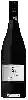
Domaine CoudouletOurnac Frères Mourvèdre
 Red wine
In the mouth this red wine is a powerful with a nice balance between acidity and tannins.
This wine generally goes well with beef, veal or pasta.

Taste structure of the Ournac Frères Mourvèdre from the Domaine Coudoulet
Light | Bold | |
Smooth | Tannic | |
Dry | Sweet | |
Soft | Acidic |
In the mouth the Ournac Frères Mourvèdre of Domaine Coudoulet in the region of Pays d'Oc is a powerful with a nice balance between acidity and tannins.
Food and wine pairings with Ournac Frères Mourvèdre
Pairings that work perfectly with Ournac Frères Mourvèdre



Original food and wine pairings with Ournac Frères Mourvèdre
The Ournac Frères Mourvèdre of Domaine Coudoulet matches generally quite well with dishes of beef, pasta or veal such as recipes of beef with cider, chicken and mushroom risotto or veal breast with new vegetables.
Details and technical informations about Domaine Coudoulet's Ournac Frères Mourvèdre.
Discover the grape variety: Mourvèdre
Powerful, deep reds with firm tannins and dense texture, showing aromas of blackberry, leather, garrigue, black pepper, liquorice and animal notes (game, forest floor) with age. Star of Bandol AOC as a single variety and pillar of Châteauneuf-du-Pape, Gigondas and Costières blends. Also in GSM in Languedoc and Australia. A late-ripening variety of Spanish origin (Mataró/Monastrell).
Informations about the Domaine Coudoulet
The Domaine Coudoulet is one of of the world's great estates. It offers 18 wines for sale in the of Pays d'Oc to come and discover on site or to buy online.

The wine region of Pays d'Oc
The single-grape IGP par excellence: modern, accessible, frank and fruity wines, the popular signature of the Midi. Spicy Syrah reds (pepper, blackberry), round Merlot, structured Cabernet, generous Grenache, supple Cinsault. Crisp, tangy rosés. Opulent Chardonnay whites, lively Sauvignon, floral, apricoty Viognier.
The word of the wine: Maceration
Prolonged contact and exchange between the juice and the grape solids, especially the skin. Not to be confused with the time of fermentation, which follows maceration. The juice becomes loaded with colouring matter and tannins, and acquires aromas. For a rosé, the maceration is short so that the colour does not "rise" too much. For white wines too, a "pellicular maceration" can be practised, which allows the wine to acquire more fat.