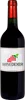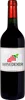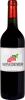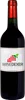
Winery Côte WestMounts Vineyard Rosé of Counoise
 Pink wine


This wine generally goes well with
Details and technical informations about Winery Côte West's Mounts Vineyard Rosé of Counoise.
Discover the grape variety: Counoise
Counoise is a black grape variety of Spanish origin. It is widely cultivated in the southern part of France. It is very similar to the aubun, with which it is often confused, and has a white cottony bud. Unlike the aubun, the leaves of this variety do not have teeth in the petiolar sinus. They are thick and large. Its bunches are medium-sized but its berries are large. It is advisable to prune it short so that it is productive. It matures in the second half of the year, but production depends on the vintage. This grape variety appreciates hillside terroirs, which are stony and warm. It fears grey rot without being sensitive to oidium and mildew. Counoise has two approved clones, 508 and 725. The wine obtained from Counoise is not very colourful. It is fine and fruity. Its aromas are diversified with notes of fruit, flowers and spices.
Last vintages of this wine
The best vintages of Mounts Vineyard Rosé of Counoise from Winery Côte West are 0
Informations about the Winery Côte West
The Winery Côte West is one of of the world's greatest estates. It offers 13 wines for sale in the of Dry Creek Valley to come and discover on site or to buy online.

The wine region of Dry Creek Valley
The wine region of Dry Creek Valley is located in the region of Sonoma County of California of United States. We currently count 414 estates and châteaux in the of Dry Creek Valley, producing 1322 different wines in conventional, organic and biodynamic agriculture. The wines of Dry Creek Valley go well with generally quite well with dishes .
The wine region of California
California is the largest and most important wine region in the United States. It represents the southern two-thirds (850 miles or 1,370 kilometers) of the country's west coast. (Oregon and Washington make up the rest. ) The state also spans nearly 10 degrees of latitude.
The word of the wine: Faded
Said of a wine that has lost its brilliance and depth. It can also be used to describe the nose of an old wine that has lost its aromatic freshness.