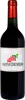
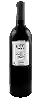
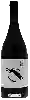
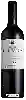
Winery CorneilleLa Clape
 Red wine
This wine generally goes well with beef, veal or pasta.
Food and wine pairings with La Clape
Pairings that work perfectly with La Clape



Original food and wine pairings with La Clape
The La Clape of Winery Corneille matches generally quite well with dishes of beef, pasta or veal such as recipes of beef tenderloin wellington, tuscan linguine or duck breast with black figs.
Details and technical informations about Winery Corneille's La Clape.
Discover the grape variety: Sulima
Interspecific cross obtained in 1966 between the verdelet or 9110 Seibel and the sultana, registered in the Official Catalogue of table grape varieties list A1.
Informations about the Winery Corneille
The Winery Corneille is one of wineries to follow in La Clape.. It offers 9 wines for sale in the of La Clape to come and discover on site or to buy online.

The wine region of La Clape
The wine region of La Clape is located in the region of Languedoc of Languedoc-Roussillon of France. Wineries and vineyards like the Château la Négly or the Château la Négly produce mainly wines red, white and pink. The most planted grape varieties in the region of La Clape are Mourvèdre, Bourboulenc and Roussanne, they are then used in wines in blends or as a single variety. On the nose of La Clape often reveals types of flavors of cherry, white pepper or apples and sometimes also flavors of dried fruit, bramble or black olive.
The wine region of Languedoc-Roussillon
Languedoc (formerly Coteaux du Languedoc) is a key appellation used in the Languedoc-Roussillon wine region of southern France. It covers Dry table wines of all three colors (red, white and rosé) from the entire region, but leaves Sweet and Sparkling wines to other more specialized appellations. About 75% of all Languedoc wines are red, with the remaining 25% split roughly down the middle between whites and rosés. The appellation covers most of the Languedoc region and almost a third of all the vineyards in France.
The word of the wine: Fruity
A wine whose nose is first characterized by aromas reminiscent of the world of fruit. A wine to be drunk young is essentially fruity, but all wines offer this type of aroma in the first place, which can evolve over time, from the scent of fresh fruit to cooked, stewed, candied or brandied fruit.