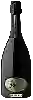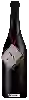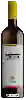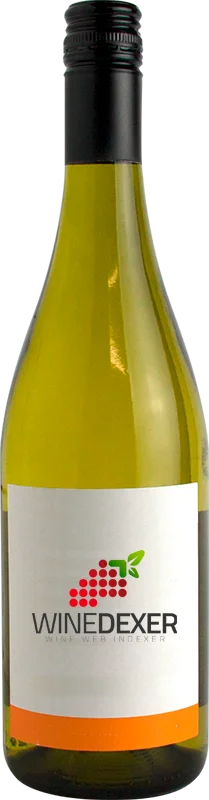
Winery Conte VistarinoSaint Valier Pinot Nero
 White wine



This wine generally goes well with pork, poultry or beef.
Food and wine pairings with Saint Valier Pinot Nero
Pairings that work perfectly with Saint Valier Pinot Nero



Original food and wine pairings with Saint Valier Pinot Nero


The Saint Valier Pinot Nero of Winery Conte Vistarino matches generally quite well with dishes of beef, lamb or pork such as recipes of beef tongue in hot pickle sauce, braised lamb with peppers or gratin of coquillettes with ham.
Details and technical informations about Winery Conte Vistarino's Saint Valier Pinot Nero.
Discover the grape variety: Merlot khantus
An interspecific cross between Merlot noir and Kozma 20-3 (also the same parents of Merlot khorus) obtained in 2002 by Simone Diego Castellarin and Guido Cipriani at the Institute of Applied Genomics in Udine, Italy. Merlot khantus is particularly resistant to mildew and tolerant to powdery mildew. Known in Italy ... almost unknown in France and not registered in the Official Catalogue of wine grape varieties.
Last vintages of this wine
The best vintages of Saint Valier Pinot Nero from Winery Conte Vistarino are 2016, 2015, 0
Informations about the Winery Conte Vistarino
The Winery Conte Vistarino is one of of the world's great estates. It offers 36 wines for sale in the of Lombardia to come and discover on site or to buy online.

The wine region of Lombardia
Lombardy is one of Italy's largest and most populous regions, located in the north-central Part of the country. It's home to a handful of popular and well-known wine styles, including the Bright, cherry-scented Valtellina and the high-quality Sparkling wines Franciacorta and Oltrepo Pavese Metodo Classico. Lombardy is Italy's industrial powerhouse, with the country's second largest city (Milan) as its regional capital. Despite this, the region has vast tracts of unspoiled countryside, home to many small wineries that produce a significant portion of the region's annual wine production of 1.
The word of the wine: Crémant
AOC sparkling wine made by traditional method, with specific constraints in the regions of Alsace, Bordeaux, Burgundy, Die, Jura, Limoux and the Loire Valley, as well as in Luxembourg.