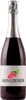
Winery Conte di ZanoneChardonnay Brut
 Sparkling wine
This wine generally goes well with pork, vegetarian or poultry.

Food and wine pairings with Chardonnay Brut
Pairings that work perfectly with Chardonnay Brut



Original food and wine pairings with Chardonnay Brut

The Chardonnay Brut of Winery Conte di Zanone matches generally quite well with dishes of pork, rich fish (salmon, tuna etc) or vegetarian such as recipes of rabbit stew the old fashioned way, rice croquettes with salmon or magic cake cheese quiche.
Details and technical informations about Winery Conte di Zanone's Chardonnay Brut.
Discover the grape variety: Chardonnay
Whites with many faces: mineral and taut at Chablis (lemon, green apple, flint), opulent and buttery at Meursault and Puligny-Montrachet (hazelnut, brioche, yellow fruits), tense and chalky in Champagne (Blanc de Blancs). Also vinified sparkling and widely exported (Sonoma, Margaret River, Casablanca). A Burgundian variety, a cross of Pinot Noir × Gouais Blanc, half-sibling of Aligoté.
Informations about the Winery Conte di Zanone
The Winery Conte di Zanone is one of of the world's greatest estates. It offers 6 wines for sale in the of Piedmont to come and discover on site or to buy online.

The wine region of Piedmont
Kingdom of Nebbiolo: Barolo and Barbaresco DOCG, long-ageing reds with firm tannins and lively acidity, complex aromas of withered rose, sour cherry, tar, truffle and undergrowth. More accessible, tangy Barbera on red fruit, supple, crisp Dolcetto. Sweet, floral sparkling Moscato d'Asti, mineral, lemony Gavi (Cortese) white, round, almondy Arneis from Roero. 50,000 ha across the Langhe, Roero and Monferrato, UNESCO.
The word of the wine: R-M (champagne)
Harvesting and handling. It is the artisan winemaker. He elaborates his own champagne, often a monocru representative of the village or the surrounding villages.