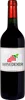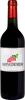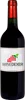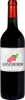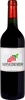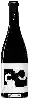
Winery Comando GRozas Vino de Pueblo
 Red wine


In the mouth this red wine is a powerful with a nice balance between acidity and tannins.
This wine generally goes well with poultry, beef or game (deer, venison).
The Rozas Vino de Pueblo of the Winery Comando G is in the top 10 of wines of Madrid.
Taste structure of the Rozas Vino de Pueblo from the Winery Comando G
Light | Bold | |
Smooth | Tannic | |
Dry | Sweet | |
Soft | Acidic |
In the mouth the Rozas Vino de Pueblo of Winery Comando G in the region of Madrid is a powerful with a nice balance between acidity and tannins.
Food and wine pairings with Rozas Vino de Pueblo
Pairings that work perfectly with Rozas Vino de Pueblo



Original food and wine pairings with Rozas Vino de Pueblo


The Rozas Vino de Pueblo of Winery Comando G matches generally quite well with dishes of beef, lamb or poultry such as recipes of stewed beef heart, sauté of lamb with curry or cauliflower croque-monsieur.
Details and technical informations about Winery Comando G's Rozas Vino de Pueblo.
Discover the grape variety: Garnacha Tinta
Last vintages of this wine
The best vintages of Rozas Vino de Pueblo from Winery Comando G are 2023, 2022, 0
Informations about the Winery Comando G
The Winery Comando G is one of of the world's greatest estates. It offers 26 wines for sale in the of Madrid to come and discover on site or to buy online.

The wine region of Madrid
Vinos de Madrid is the DO (Denominación de Origen) title that covers the vineyards around Madrid, the capital of Spain. Located in the heart of the country, Madrid is the second largest city in the European Union. It offers its millions of visitors elaborate architecture, art galleries, a vibrant nightlife and a multitude of fine restaurants that often feature local wines. The sprawling metropolis and the towering Sierra de Guadarrama mountains to the North confine the vineyards to the southeast and southwest corners of the autonomous community of Madrid.
The word of the wine: Solera
A method of maturing practiced in Andalusia for certain sherries, which aims to continuously blend older and younger wines. It consists of stacking several layers of barrels; those located at ground level (solera) contain the oldest wines, the youngest being stored in the barrels on the upper level. The wine to be bottled is taken from the barrels on the lower level, which is replaced by younger wine from the upper level, and so on.