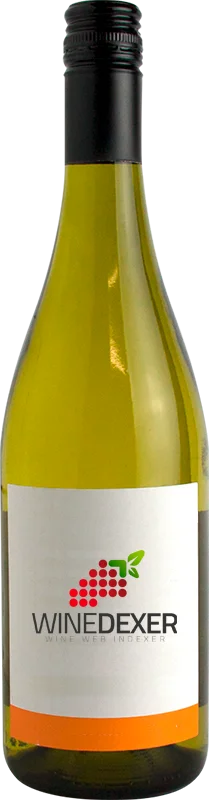
Winery CollemareLe Ginestre Catarratto
 White wine


In the mouth this white wine is a powerful.
This wine generally goes well with vegetarian, appetizers and snacks or shellfish.
Taste structure of the Le Ginestre Catarratto from the Winery Collemare
Light | Bold | |
Dry | Sweet | |
Soft | Acidic |
In the mouth the Le Ginestre Catarratto of Winery Collemare in the region of Sicily is a powerful.
Food and wine pairings with Le Ginestre Catarratto
Pairings that work perfectly with Le Ginestre Catarratto



Original food and wine pairings with Le Ginestre Catarratto
The Le Ginestre Catarratto of Winery Collemare matches generally quite well with dishes of shellfish, vegetarian or appetizers and snacks such as recipes of risotto of the sea, spinach and goat cheese quiche or tuna spread.
Details and technical informations about Winery Collemare's Le Ginestre Catarratto.
Discover the grape variety: Dawn seedless
Cross between the gold and the pearl obtained in the United States (California) by Harold P. Olmo and Albert T. Koyama. This variety is also known in Chile. - Synonymy: davis g4-36 (for all the synonyms of the varieties, click here!).
Last vintages of this wine
The best vintages of Le Ginestre Catarratto from Winery Collemare are 0
Informations about the Winery Collemare
The Winery Collemare is one of of the world's greatest estates. It offers 14 wines for sale in the of Sicily to come and discover on site or to buy online.

The wine region of Sicily
Sicily is the Southernmost region of Italy, and the largest island in the Mediterranean Sea. For over 2500 years, Sicily (Sicilia in Italian) has been an important centre of Mediterranean viticulture, although the reputation and style of its wines have changed considerably over time. The island was once best known for its Sweet muscatels (see Pantelleria), and later for its fortified Marsala. Today, many of its best-known wines are Dry table wines produced under the regional designation IGT Terre Siciliane, or Sicilia DOC (see below).
The word of the wine: Sweet
Generic term for wines containing residual sugar (natural sugars in the grapes that have not been transformed into alcohol). It is also used to describe a wine with a dominantly sweet flavour, without further explanation.