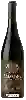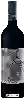
Winery ColiVino da Tavola Rosso
 Red wine



In the mouth this red wine is a .
This wine generally goes well with poultry, beef or veal.

Taste structure of the Vino da Tavola Rosso from the Winery Coli
Light | Bold | |
Smooth | Tannic | |
Dry | Sweet | |
Soft | Acidic |
In the mouth the Vino da Tavola Rosso of Winery Coli in the region of Vino da Tavola is a .
Food and wine pairings with Vino da Tavola Rosso
Pairings that work perfectly with Vino da Tavola Rosso



Original food and wine pairings with Vino da Tavola Rosso

The Vino da Tavola Rosso of Winery Coli matches generally quite well with dishes of beef, pasta or veal such as recipes of tournedos rossini, cannelloni with brocciu from jeanne or andouillette de troyes with chaource sauce.
Details and technical informations about Winery Coli's Vino da Tavola Rosso.
Discover the grape variety: Tempranillo
Elegant, structured reds with aromas of strawberry, cherry, plum, leather, blond tobacco and pronounced vanilla from long oak ageing. Ranges from Joven to Crianza, Reserva and Gran Reserva. Star of Rioja DOCa, Ribera del Duero DO and Toro DO, also shines in the Douro as Tinta Roriz/Aragonez. One of the world's most planted Spanish varieties.
Last vintages of this wine
The best vintages of Vino da Tavola Rosso from Winery Coli are 0
Informations about the Winery Coli
The Winery Coli is one of of the world's great estates. It offers 55 wines for sale in the of Vino da Tavola to come and discover on site or to buy online.

The wine region of Vino da Tavola
The freest category of Italian wine, with no grape or zone constraint. All styles: bold reds based on Bordeaux grapes (Cabernet, Merlot), atypical blends, maker's cuvées outside DOC rules. Historic cradle of the "Super Tuscans" in the 1960s-80s (Sassicaia, Tignanello, Ornellaia) before the creation of IGT in 1992. Today dedicated to everyday wines or winemaker experiments.
The word of the wine: Sommelier
Person working in a restaurant and responsible for the wine service. The head sommelier is responsible for putting together the wine list, managing the sommelier brigade, and ensuring the sale of wines according to the dishes (food and wine pairing).