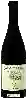
Clos FantineVin d'Orage
 Red wine



In the mouth this red wine is a powerful with a nice balance between acidity and tannins.
This wine generally goes well with beef, veal or pasta.

Taste structure of the Vin d'Orage from the Clos Fantine
Light | Bold | |
Smooth | Tannic | |
Dry | Sweet | |
Soft | Acidic |
In the mouth the Vin d'Orage of Clos Fantine in the region of Languedoc-Roussillon is a powerful with a nice balance between acidity and tannins.
Wine flavors and olphactive analysis

Food and wine pairings with Vin d'Orage
Pairings that work perfectly with Vin d'Orage



Original food and wine pairings with Vin d'Orage
The Vin d'Orage of Clos Fantine matches generally quite well with dishes of beef, pasta or veal such as recipes of barbecue burger, spaghetti with homemade pesto or venison bourguignon.
Details and technical informations about Clos Fantine's Vin d'Orage.
Discover the grape variety: Garanoir
Supple and fruity reds with a purple colour and melted tannins, on aromas of cherry, raspberry, blackberry, sweet spices and floral notes. Round palate, fresh finish, more tender and approachable young than its sibling Gamaret. Vinified as a thirst-quenching single variety and in modern red blends with Gamaret, Gamay and Pinot Noir in Swiss Romandy (Vaud, Geneva, Valais). A cross of Gamay × Reichensteiner created in 1970 at the Pully station, same lineage as Gamaret.
Last vintages of this wine
The best vintages of Vin d'Orage from Clos Fantine are 2018
Informations about the Clos Fantine
The Clos Fantine is one of of the world's greatest estates. It offers 9 wines for sale in the of Languedoc-Roussillon to come and discover on site or to buy online.

The wine region of Languedoc-Roussillon
Largest single French vineyard, dominated by sunny, generous reds. Spicy Syrah, candied Grenache (ripe fruit, garrigue), structured Carignan, deep Mourvèdre, supple Cinsault. Stars: structured Corbières, Minervois, Faugères, Saint-Chinian; round Côtes-du-Roussillon. Legendary vins doux naturels: Banyuls and Maury (fortified Grenache) with notes of cocoa, fig, prune.
The word of the wine: Collar
The upper, cylindrical part of the bottle. Sales of wine bottles are generally expressed in number of bottles.