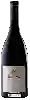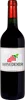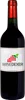
Clos du Père ClémentCuvée de Amitié Doucerd d'Automne Grenache
 Red wine
This wine generally goes well with poultry, beef or lamb.

Food and wine pairings with Cuvée de Amitié Doucerd d'Automne Grenache
Pairings that work perfectly with Cuvée de Amitié Doucerd d'Automne Grenache



Original food and wine pairings with Cuvée de Amitié Doucerd d'Automne Grenache

The Cuvée de Amitié Doucerd d'Automne Grenache of Clos du Père Clément matches generally quite well with dishes of beef, lamb or game (deer, venison) such as recipes of pasticcio (greece), lamb stew with yoghurt and coriander or duck breast with orange sauce.
Details and technical informations about Clos du Père Clément's Cuvée de Amitié Doucerd d'Automne Grenache.
Discover the grape variety: Pardillo
Simple, fresh dry whites with a pale golden robe, a supple palate and moderate acidity, with unassuming aromas of citrus (lemon), white flowers and continental herbal notes. A refreshing, heat-resistant Castilian profile. A traditional component of La Mancha DO and Méntrida DO whites, also used in modern Spanish distillates and mistelles. Native Spanish white grape, mainly grown in Castilla-La Mancha and central Spain.
Informations about the Clos du Père Clément
The Clos du Père Clément is one of wineries to follow in Méditerranée.. It offers 15 wines for sale in the of Méditerranée to come and discover on site or to buy online.

The wine region of Méditerranée
Vast IGP of south-east France (Provence, Vaucluse, Var, Corsica, Ardèche), 75% rosés. Fresh, fruity rosés with signature notes of strawberry, raspberry, citrus, white flowers and a Mediterranean touch, taut and thirst-quenching on the palate — the quintessential sunny aperitif. Supple reds blending Grenache, Syrah, Cabernet and Merlot (red fruits, garrigue, spice), full whites of Viognier (apricot, flowers) and Chardonnay. Generous everyday wines, expression of the south.
The word of the wine: Maturing (champagne)
After riddling, the bottles are stored on "point", upside down, with the neck of one bottle in the bottom of the other. The duration of this maturation is very important: in contact with the dead yeasts, the wine takes on subtle aromas and gains in roundness and fatness. A brut without year must remain at least 15 months in the cellar after bottling, a vintage 36 months.