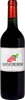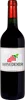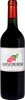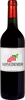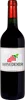
Clos Du PhoenixChâteau Syrah
 Red wine


This wine generally goes well with beef, game (deer, venison) or lamb.
The Château Syrah of the Clos Du Phoenix is in the top 40 of wines of Mount Lebanon.

Food and wine pairings with Château Syrah
Pairings that work perfectly with Château Syrah



Original food and wine pairings with Château Syrah



The Château Syrah of Clos Du Phoenix matches generally quite well with dishes of beef, lamb or game (deer, venison) such as recipes of monkfish with vegetable tagliatelle, saddle of lamb with herbs or roast duck breast or duck fillet with dried apricots.
Details and technical informations about Clos Du Phoenix's Château Syrah.
Discover the grape variety: Syrah
Structured, elegant reds with deep colour, firm tannins, with intense aromas of blackberry, blackcurrant, black pepper, violet, smoked meat, black olive and balsamic notes. Fine ageing potential. Star of the great northern Rhône reds (Côte-Rôtie, Hermitage, Cornas, Saint-Joseph) and pillar of GSM blends in the south (Châteauneuf-du-Pape). Widely exported to Australia as Shiraz (Barossa, McLaren Vale). Cross of dureza × mondeuse blanche.
Last vintages of this wine
The best vintages of Château Syrah from Clos Du Phoenix are 2014, 0
Informations about the Clos Du Phoenix
The Clos Du Phoenix is one of of the world's greatest estates. It offers 6 wines for sale in the of Mount Lebanon to come and discover on site or to buy online.

The wine region of Mount Lebanon
Lebanese coastal mountain range separating the Mediterranean from the Bekaa, vineyards at 800-1,700 m in terraces, high-altitude Mediterranean climate with wide temperature swings. Merwah and Obeidi indigenous signature whites (presumed ancestors of Chardonnay and Semillon): ample and complex with notes of citrus, white peach, dried fruit, flowers, honey and a limestone mineral touch — unique millennial identities. Dense Cabernet, Cinsault, Syrah reds. Sub-regions Batroun, Kesrouan, Metn.
The word of the wine: Serious
A Bordeaux term for small pebbles from the Pyrenees, eroded, rounded and transported by the Garonne to Aquitaine. They are mainly found on the left bank in the area.... known as the Graves, and further downstream in the Médoc. By extension, gravel is found in other regions, brought by other rivers or even glaciers.