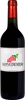
Clos des EglantiersPinot Noir
 Red wine



This wine generally goes well with pork, poultry or veal.

Food and wine pairings with Pinot Noir
Pairings that work perfectly with Pinot Noir



Original food and wine pairings with Pinot Noir


The Pinot Noir of Clos des Eglantiers matches generally quite well with dishes of veal, pork or game (deer, venison) such as recipes of gizzards in sauce, quiche without pastry or my grandmother's rabbit stew.
Details and technical informations about Clos des Eglantiers's Pinot Noir.
Discover the grape variety: Pinot noir
Elegant reds, light in colour with silky tannins, showing strawberry, cherry and raspberry aromas, evolving to forest floor, mushroom and spice with age. Fresh acidity, delicate finish. Star of the Côte d'Or (Romanée-Conti, Chambertin, Volnay), pillar of Champagne (Blanc de Noirs) and signature of Oregon, Central Otago and Sonoma Coast. An early-ripening Burgundian variety, one of the world's greatest.
Last vintages of this wine
The best vintages of Pinot Noir from Clos des Eglantiers are 2015, 0
Informations about the Clos des Eglantiers
The Clos des Eglantiers is one of of the world's greatest estates. It offers 8 wines for sale in the of Luxembourg to come and discover on site or to buy online.

The wine region of Luxembourg
Vineyard of the Grand Duchy stretched 42 km along the Moselle, 90% whites. Signature Crémant de Luxembourg in sparkling: strict traditional method (9 months on lees) with green apple, citrus, brioche, white flowers and chalky mineral touch, fine bubble — national aperitif. Taut Riesling (lemon, peach, minerality), full Pinot Gris (pear, honey), fine Pinot Blanc, round Auxerrois, lively Elbling, floral Rivaner. Limestone slopes and Keuper marls.
The word of the wine: Decanter
1) Glass container with a narrow neck used to aerate or decant the wine. 2) Decanter wines: wines that are drunk young and that were once drawn directly from the barrel. For example, some Muscadets or Beaujolais.