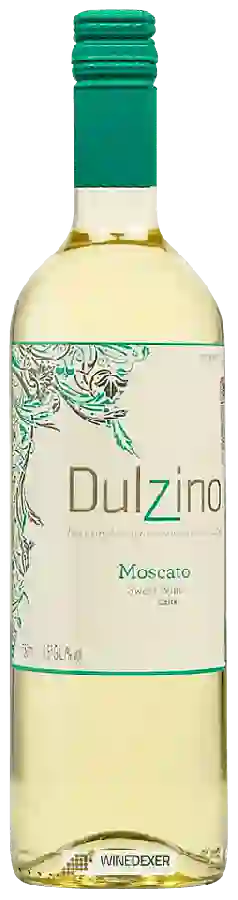
Winery Viña MaipoDulzino Moscato
 Sweet wine



This wine generally goes well with sweet desserts

Wine flavors and olphactive analysis



On the nose the Dulzino Moscato of Winery Viña Maipo in the region of Central Valley often reveals types of flavors of earth, tree fruit.
Food and wine pairings with Dulzino Moscato
Pairings that work perfectly with Dulzino Moscato

Original food and wine pairings with Dulzino Moscato
The Dulzino Moscato of Winery Viña Maipo matches generally quite well with dishes of sweet desserts such as recipes of homemade cookies.
Details and technical informations about Winery Viña Maipo's Dulzino Moscato.
Discover the grape variety: Tchkhaveri
Elegant, light reds with a pale ruby robe, fine tannins and a silky palate with preserved acidity, with signature aromas of red fruits (cherry, raspberry), gentle spices and floral notes. Also fresh rosés. Often vinified using the traditional qvevri method; defines the viticultural identity of Guria. Indigenous Georgian black variety grown mainly in the Guria region in western Georgia.
Last vintages of this wine
The best vintages of Dulzino Moscato from Winery Viña Maipo are 2019, 2018, 2017, 2014 and 2013.
Informations about the Winery Viña Maipo
The Winery Viña Maipo is one of of the world's greatest estates. It offers 86 wines for sale in the of Central Valley to come and discover on site or to buy online.

The wine region of Central Valley
Heart of modern Chilean wine: structured, sunny reds, dense, blackcurranty Cabernet Sauvignon from Maipo (Chilean cradle of the grape), signature Carménère with notes of ripe pepper, black fruit and sweet spices from Colchagua, supple Merlot and deep Syrah. Round Chardonnay whites and lively, sharp Sauvignon. Mediterranean climate, 400 km between Andes and Pacific. Star sub-regions: Maipo, Cachapoal, Colchagua, Curicó, Maule.
The word of the wine: pH
Short for "hydrogen potential", the pH is a parameter that defines whether a medium is acidic or basic. A high pH gives a soft wine, a very low pH translates into a wine that is too acidic.