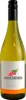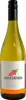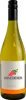
Winery CibulkaLednické Zámecké Ryzlink Rýnský Pozdní Sběr Bio
 White wine
This wine generally goes well with pork, vegetarian or poultry.
Food and wine pairings with Lednické Zámecké Ryzlink Rýnský Pozdní Sběr Bio
Pairings that work perfectly with Lednické Zámecké Ryzlink Rýnský Pozdní Sběr Bio



Original food and wine pairings with Lednické Zámecké Ryzlink Rýnský Pozdní Sběr Bio



The Lednické Zámecké Ryzlink Rýnský Pozdní Sběr Bio of Winery Cibulka matches generally quite well with dishes of pork, rich fish (salmon, tuna etc) or spicy food such as recipes of cassoulet of yesteryear, pasta with tuna and cream or makrouna salsa (tunisian pastry).
Details and technical informations about Winery Cibulka's Lednické Zámecké Ryzlink Rýnský Pozdní Sběr Bio.
Discover the grape variety: Riesling
White Riesling is a grape variety that originated in France (Alsace). It produces a variety of grape specially used for the elaboration of wine. It is rare to find this grape to eat on our tables. This variety of grape is characterized by small bunches, and small grapes. White Riesling can be found in many vineyards: Alsace, Loire Valley, Languedoc & Roussillon, Lorraine, Provence & Corsica, Rhone Valley, Savoie & Bugey, Beaujolais, South West.
Informations about the Winery Cibulka
The Winery Cibulka is one of of the world's great estates. It offers 37 wines for sale in the of Morava to come and discover on site or to buy online.

The wine region of Morava
Moravia, with roughly 95 percent of the nation's Vine plantings, is the engine room of the Czech Republic's wine industry. The Center of intensively farmed bulk-wine production is also showing great promise as a producer of quality white wines. This is largely thanks to its cool Climate, comparable in many ways to that in Nahe or Pfalz, the white-wine specialists a few hundred miles west in Germany. Moravian winelands enjoy a Vineyard year well suited to the production of Complex aromatics with good Acidity.
The word of the wine: Shipping (liquor)
In champagne and wines made according to the traditional method, wine is added before corking to fill the void in the bottle created by disgorging. This added wine is often sweetened by sugar incorporated in variable proportions according to the style of wine sought (see dosage). Syn.: liqueur de dosage.