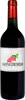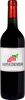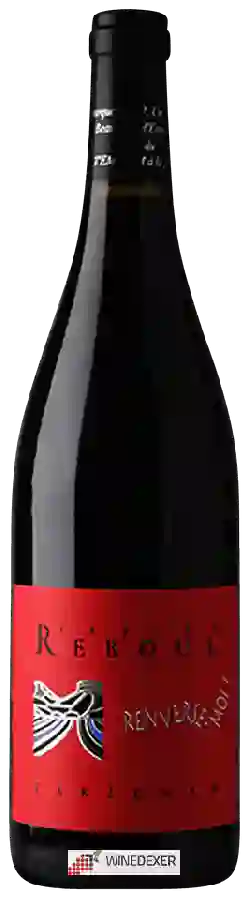
Château de ValflaunesRenverse-Moi !
 Red wine



In the mouth this red wine is a powerful with a nice balance between acidity and tannins.
This wine generally goes well with beef, veal or pasta.

Taste structure of the Renverse-Moi ! from the Château de Valflaunes
Light | Bold | |
Smooth | Tannic | |
Dry | Sweet | |
Soft | Acidic |
In the mouth the Renverse-Moi ! of Château de Valflaunes in the region of Languedoc-Roussillon is a powerful with a nice balance between acidity and tannins.
Wine flavors and olphactive analysis

Food and wine pairings with Renverse-Moi !
Pairings that work perfectly with Renverse-Moi !



Original food and wine pairings with Renverse-Moi !
The Renverse-Moi ! of Château de Valflaunes matches generally quite well with dishes of beef, pasta or veal such as recipes of scottish haggis, spaghetti carbonara or sauté of doe stroganoff.
Details and technical informations about Château de Valflaunes's Renverse-Moi !.
Discover the grape variety: Picolit blanc
Exceptional sweet white wines with a golden to amber robe, a luscious and unctuous palate, and intense signature aromas of dried fruits (dried apricot, fig), honey, white flowers (acacia) and yellow candied fruits with mineral notes. A rare and precious profile, very demanding (significant coulure). The absolute star of the Colli Orientali del Friuli Picolit DOCG appellation, one of Italy's greatest dessert wines. Native white grape of Friuli, in Friuli-Venezia Giulia.
Last vintages of this wine
The best vintages of Renverse-Moi ! from Château de Valflaunes are 2015, 2014, 2018, 2013 and 2017.
Informations about the Château de Valflaunes
The Château de Valflaunes is one of of the world's greatest estates. It offers 11 wines for sale in the of Languedoc to come and discover on site or to buy online.

The wine region of Languedoc
Sunny, generous southern reds: spicy, peppery Syrah, round, candied Grenache (ripe fruit, garrigue), deep Mourvèdre, structured Carignan, supple Cinsault. From robust Corbières and Minervois to fresher Terrasses du Larzac, via Faugères on schist or taut Pic Saint-Loup. Lively, iodised Picpoul de Pinet whites (oysters), ample Roussanne and Marsanne. 14 sub-appellations, ~10,000 ha in regional AOC.
The wine region of Languedoc-Roussillon
Largest single French vineyard, dominated by sunny, generous reds. Spicy Syrah, candied Grenache (ripe fruit, garrigue), structured Carignan, deep Mourvèdre, supple Cinsault. Stars: structured Corbières, Minervois, Faugères, Saint-Chinian; round Côtes-du-Roussillon. Legendary vins doux naturels: Banyuls and Maury (fortified Grenache) with notes of cocoa, fig, prune.
The word of the wine: Maceration
Prolonged contact and exchange between the juice and the grape solids, especially the skin. Not to be confused with the time of fermentation, which follows maceration. The juice becomes loaded with colouring matter and tannins, and acquires aromas. For a rosé, the maceration is short so that the colour does not "rise" too much. For white wines too, a "pellicular maceration" can be practised, which allows the wine to acquire more fat.