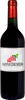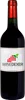
Château des EstanillesInverso Rouge
 Red wine



In the mouth this red wine is a powerful with a nice balance between acidity and tannins.
This wine generally goes well with beef, veal or pasta.
Taste structure of the Inverso Rouge from the Château des Estanilles
Light | Bold | |
Smooth | Tannic | |
Dry | Sweet | |
Soft | Acidic |
In the mouth the Inverso Rouge of Château des Estanilles in the region of Languedoc-Roussillon is a powerful with a nice balance between acidity and tannins.
Wine flavors and olphactive analysis




On the nose the Inverso Rouge of Château des Estanilles in the region of Languedoc-Roussillon often reveals types of flavors of earth, oak or black fruit.
Food and wine pairings with Inverso Rouge
Pairings that work perfectly with Inverso Rouge



Original food and wine pairings with Inverso Rouge
The Inverso Rouge of Château des Estanilles matches generally quite well with dishes of beef, pasta or veal such as recipes of navarin of lamb, pasta with alfredo sauce or very soft beef bourguignon.
Details and technical informations about Château des Estanilles's Inverso Rouge.
Discover the grape variety: Mourvèdre
Mourvèdre noir is a grape variety originating from Spain. It produces a variety of grape specially used for wine making. It is rare to find this grape to eat on our tables. This variety of grape is characterized by medium to large bunches, and grapes of medium size. Mourvèdre noir can be found in several vineyards: South-West, Cognac, Bordeaux, Provence & Corsica, Rhône valley, Languedoc & Roussillon, Loire valley, Savoie & Bugey, Beaujolais.
Last vintages of this wine
The best vintages of Inverso Rouge from Château des Estanilles are 2007, 2014, 2003, 2001 and 2015.
Informations about the Château des Estanilles
The Château des Estanilles is one of of the world's greatest estates. It offers 13 wines for sale in the of Faugères to come and discover on site or to buy online.

The wine region of Faugères
Faugeres is an appellation in the Languedoc-Roussillon region of southern France. Although it also covers white and rosé wines, the appellation is best known for its Rich, ripe red wines made from the classic Rhone varieties of Syrah, Grenache and Mourvèdre, as well as the more MediterraneanCinsaut and Lladoner Pelut. The appellation covers the southern slopes of a series of hills only a few kilometres from the Mediterranean coast. The town of Faugeres forms the centre of the area, which extends 10 km from east to west.
The wine region of Languedoc-Roussillon
Languedoc (formerly Coteaux du Languedoc) is a key appellation used in the Languedoc-Roussillon wine region of southern France. It covers Dry table wines of all three colors (red, white and rosé) from the entire region, but leaves Sweet and Sparkling wines to other more specialized appellations. About 75% of all Languedoc wines are red, with the remaining 25% split roughly down the middle between whites and rosés. The appellation covers most of the Languedoc region and almost a third of all the vineyards in France.
The word of the wine: Varietal wine
Name given to the local wine (IGP), produced from a single grape variety that gives the wine its characteristics of structure and aroma. The Languedoc is the leading producer of this type of wine, from most of the major French grape varieties.