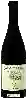
Château AurisRouge
 Red wine



In the mouth this red wine is a powerful with a nice balance between acidity and tannins.
This wine generally goes well with beef, veal or pasta.

Taste structure of the Rouge from the Château Auris
Light | Bold | |
Smooth | Tannic | |
Dry | Sweet | |
Soft | Acidic |
In the mouth the Rouge of Château Auris in the region of Languedoc-Roussillon is a powerful with a nice balance between acidity and tannins.
Wine flavors and olphactive analysis



On the nose the Rouge of Château Auris in the region of Languedoc-Roussillon often reveals types of flavors of oak, spices or black fruit.
Food and wine pairings with Rouge
Pairings that work perfectly with Rouge



Original food and wine pairings with Rouge
The Rouge of Château Auris matches generally quite well with dishes of beef, pasta or veal such as recipes of cornish pasties, meat and goat pie or veal roast, country style.
Details and technical informations about Château Auris's Rouge.
Discover the grape variety: Arrouya
Light, fruity reds with a clear ruby colour, supple tannins and delicate aromas of red fruits (cherry, raspberry), gentle spices and floral notes. A rare, airy profile now virtually absent from commercial viticulture. Preserved for its heritage value, this ancient variety survives in a few Pyrenean plots among the historic grapes of the South-West.
Last vintages of this wine
The best vintages of Rouge from Château Auris are 2013, 2011, 2014, 2009 and 2012.
Informations about the Château Auris
The Château Auris is one of of the world's greatest estates. It offers 13 wines for sale in the of Languedoc-Roussillon to come and discover on site or to buy online.

The wine region of Languedoc-Roussillon
Largest single French vineyard, dominated by sunny, generous reds. Spicy Syrah, candied Grenache (ripe fruit, garrigue), structured Carignan, deep Mourvèdre, supple Cinsault. Stars: structured Corbières, Minervois, Faugères, Saint-Chinian; round Côtes-du-Roussillon. Legendary vins doux naturels: Banyuls and Maury (fortified Grenache) with notes of cocoa, fig, prune.
The word of the wine: Brilliant
Said of a very limpid robe whose reflections shine strongly in the light.