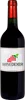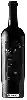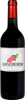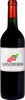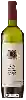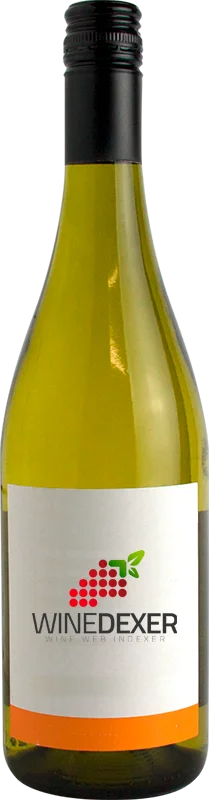
Winery Christophe AbbetArvine
 White wine


In the mouth this white wine is a powerful with a nice freshness.
This wine generally goes well with vegetarian, poultry or mild and soft cheese.

Taste structure of the Arvine from the Winery Christophe Abbet
Light | Bold | |
Dry | Sweet | |
Soft | Acidic |
In the mouth the Arvine of Winery Christophe Abbet in the region of Valais is a powerful with a nice freshness.
Wine flavors and olphactive analysis



On the nose the Arvine of Winery Christophe Abbet in the region of Valais often reveals types of flavors of citrus, earth or microbio and sometimes also flavors of tree fruit, citrus fruit.
Food and wine pairings with Arvine
Pairings that work perfectly with Arvine



Original food and wine pairings with Arvine
The Arvine of Winery Christophe Abbet matches generally quite well with dishes of vegetarian, poultry or mushrooms such as recipes of zucchini and goat cheese quiche, spicy crispy chicken or pork tenderloin with cider.
Details and technical informations about Winery Christophe Abbet's Arvine.
Discover the grape variety: Petite Arvine
Structured, aromatic dry and sweet whites with a pale golden color, ample palate and preserved acidity, with signature aromas of citrus (grapefruit), rhubarb, white flowers (wisteria), exotic fruits (passion fruit) and characteristic saline notes on the finish. Fine cellaring potential, dry and late-harvest styles. Star of great Valais whites (Vétroz, Sion, Fully, Chamoson). Swiss indigenous variety from the Valais.
Last vintages of this wine
The best vintages of Arvine from Winery Christophe Abbet are 2015, 2019, 0
Informations about the Winery Christophe Abbet
The Winery Christophe Abbet is one of of the world's greatest estates. It offers 25 wines for sale in the of Valais to come and discover on site or to buy online.

The wine region of Valais
Switzerland's largest vineyard, capital of native grapes. Straight, precise alpine whites: light, floral Chasselas (Fendant), signature Petite Arvine with saline, grapefruit and rhubarb notes, rich, apricoty Amigne, mineral Humagne Blanche. Altitude reds: fine Pinot Noir, crisp Gamay, native Cornalin and Humagne Rouge, spicy and deep. Highly precise alpine age-worthy wines.
The word of the wine: pH
Short for "hydrogen potential", the pH is a parameter that defines whether a medium is acidic or basic. A high pH gives a soft wine, a very low pH translates into a wine that is too acidic.