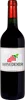
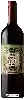
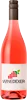
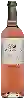
Château Tour d'ArfonBergerac Rosé
 Pink wine
This wine is a blend of 2 varietals which are the Cabernet-Sauvignon and the Merlot.
This wine generally goes well with poultry, beef or game (deer, venison).

Food and wine pairings with Bergerac Rosé
Pairings that work perfectly with Bergerac Rosé



Original food and wine pairings with Bergerac Rosé


The Bergerac Rosé of Château Tour d'Arfon matches generally quite well with dishes of shellfish, appetizers and snacks or lean fish such as recipes of lobster armorican style, beetroot and cream cheese verrines or flounder fillets, lemon butter.
Details and technical informations about Château Tour d'Arfon's Bergerac Rosé.
Discover the grape variety: Cabernet-Sauvignon
Structured, tannic reds, deeply coloured, with aromas of blackcurrant, blackberry, cedar, tobacco and graphite, underpinned by firm acidity and fine ageing potential. Cornerstone of the great Médoc estates (Pauillac, Saint-Estèphe, Saint-Julien) and signature of Napa Valley, Coonawarra and Maipo. The world's most planted red variety, a natural cross of Cabernet Franc x Sauvignon Blanc born in Bordeaux.
Informations about the Château Tour d'Arfon
The Château Tour d'Arfon is one of of the world's great estates. It offers 5 wines for sale in the of Bergerac Rosé to come and discover on site or to buy online.

The wine region of Bergerac Rosé
Modern rosé from Bergerac in southern Périgord: blend of Merlot, Cabernet Franc and Cabernet Sauvignon (sometimes local Mérille) by direct pressing or saignée — fresh fruity rosés with salmon robe more or less pale, nose of strawberry, raspberry and tangy red fruits, slightly tangy palate with fine freshness and clean finish. Summer thirst-quenching wines to drink young, ideal companions for grilled meats and aperitifs. Clay-limestone and boulbène soils, alternative to Provence rosés.
The wine region of South West
French mosaic of strong identities south of Bordeaux. Cahors and its Malbec ("black wine"): deep reds with notes of blackberry, plum, violet, tobacco and cocoa, firm tannins. Madiran and its dense, age-worthy Tannat. Jurançon whites: golden sweet (apricot, honey, pineapple) and lively dry from Petit Manseng.
The word of the wine: Bitter
Normal for certain young red wines rich in tannin, bitterness is in other cases a defect due to a bacterial disease.