Château Tour d'ArfonSaussignac
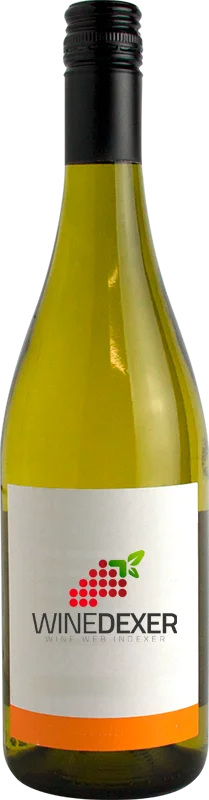
 White wine
This wine generally goes well with vegetarian, poultry or rich fish (salmon, tuna etc).

Food and wine pairings with Saussignac
Pairings that work perfectly with Saussignac



Original food and wine pairings with Saussignac


The Saussignac of Château Tour d'Arfon matches generally quite well with dishes of mature and hard cheese, fruity desserts or blue cheese such as recipes of cheese fondue, express cherry clafoutis or juliette's pizza.
Details and technical informations about Château Tour d'Arfon's Saussignac.
Discover the grape variety: Calabrese
Intense and structured reds with a deep purple hue, supple tannins and an ample palate with preserved acidity, featuring signature aromas of ripe black fruits (black cherry, plum), spices (pepper), liquorice and Sicilian Mediterranean notes. Star of dry Sicilian reds (Nero d'Avola DOC) and the island's aromatic signature, widely exported to the US and Australia. Italian black grape, historic synonym of Nero d'Avola, originating from Sicily.
Informations about the Château Tour d'Arfon
The Château Tour d'Arfon is one of of the world's greatest estates. It offers 5 wines for sale in the of Saussignac to come and discover on site or to buy online.

The wine region of Saussignac
Bergerac AOC (1982, devoted to noble sweet wines) benefiting from autumn morning mists favouring botrytis cinerea. Sémillon is the king (ideal skins for noble rot), complemented by Sauvignon, Muscadelle and Chenin. Deep golden robe, generous and unctuous: candied aromas of acacia, lime blossom, apricot, peach, quince, mango, gentle spices, honey and vanilla. Successive tries, minimum 18 g/l residual sugar, rich and refined.
The wine region of South West
French mosaic of strong identities south of Bordeaux. Cahors and its Malbec ("black wine"): deep reds with notes of blackberry, plum, violet, tobacco and cocoa, firm tannins. Madiran and its dense, age-worthy Tannat. Jurançon whites: golden sweet (apricot, honey, pineapple) and lively dry from Petit Manseng.
The word of the wine: Maturing (champagne)
After riddling, the bottles are stored on "point", upside down, with the neck of one bottle in the bottom of the other. The duration of this maturation is very important: in contact with the dead yeasts, the wine takes on subtle aromas and gains in roundness and fatness. A brut without year must remain at least 15 months in the cellar after bottling, a vintage 36 months.