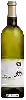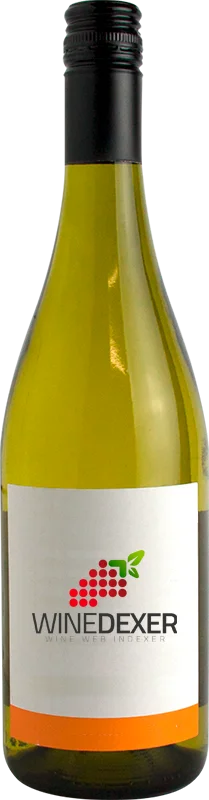
Château T. SHokuto Chardonnay
 White wine


This wine generally goes well with pork, vegetarian or poultry.
Food and wine pairings with Hokuto Chardonnay
Pairings that work perfectly with Hokuto Chardonnay



Original food and wine pairings with Hokuto Chardonnay

The Hokuto Chardonnay of Château T. S matches generally quite well with dishes of pork, rich fish (salmon, tuna etc) or vegetarian such as recipes of andouillette and baked potato gratin, tuna provencal style or quiche with leeks and fresh salmon from flo.
Details and technical informations about Château T. S's Hokuto Chardonnay.
Discover the grape variety: Chardonnay
The white Chardonnay is a grape variety that originated in France (Burgundy). It produces a variety of grape specially used for wine making. It is rare to find this grape to eat on our tables. This variety of grape is characterized by small bunches, and small grapes. White Chardonnay can be found in many vineyards: South West, Burgundy, Jura, Languedoc & Roussillon, Cognac, Bordeaux, Beaujolais, Savoie & Bugey, Loire Valley, Champagne, Rhone Valley, Armagnac, Lorraine, Alsace, Provence & Corsica.
Last vintages of this wine
The best vintages of Hokuto Chardonnay from Château T. S are 0
Informations about the Château T. S
The Château T. S is one of of the world's great estates. It offers 26 wines for sale in the of Yamanashi-ken to come and discover on site or to buy online.

The wine region of Yamanashi-ken
Yamanashi is the first Japanese Geographical Indication (GI) for wine. Established in 2013, it is situated in the prefecture of the same name. Yamanashi is promoted as the birthplace of Japanese wine production. The most prominent Grape varieties grown here are the indigenous vitis vinefera white grape variety Koshu, and the Japanese-bred pale red Hybrid Muscat Bailey A.
The word of the wine: Maturing (champagne)
After riddling, the bottles are stored on "point", upside down, with the neck of one bottle in the bottom of the other. The duration of this maturation is very important: in contact with the dead yeasts, the wine takes on subtle aromas and gains in roundness and fatness. A brut without year must remain at least 15 months in the cellar after bottling, a vintage 36 months.