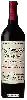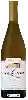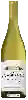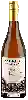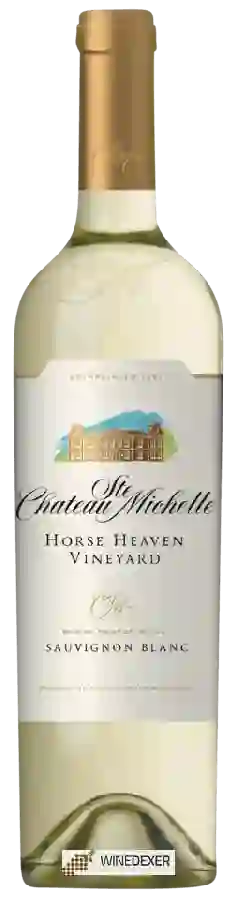
Chateau Ste. MichelleHorse Heaven Vineyard Sauvignon Blanc
 White wine



In the mouth this white wine is a powerful with a nice freshness.
This wine generally goes well with vegetarian, shellfish or goat cheese.
Taste structure of the Horse Heaven Vineyard Sauvignon Blanc from the Chateau Ste. Michelle
Light | Bold | |
Dry | Sweet | |
Soft | Acidic |
In the mouth the Horse Heaven Vineyard Sauvignon Blanc of Chateau Ste. Michelle in the region of Washington is a powerful with a nice freshness.
Wine flavors and olphactive analysis






On the nose the Horse Heaven Vineyard Sauvignon Blanc of Chateau Ste. Michelle in the region of Washington often reveals types of flavors of non oak, earth or microbio and sometimes also flavors of vegetal, oak or tree fruit.
Food and wine pairings with Horse Heaven Vineyard Sauvignon Blanc
Pairings that work perfectly with Horse Heaven Vineyard Sauvignon Blanc



Original food and wine pairings with Horse Heaven Vineyard Sauvignon Blanc
The Horse Heaven Vineyard Sauvignon Blanc of Chateau Ste. Michelle matches generally quite well with dishes of shellfish, vegetarian or goat cheese such as recipes of express seafood spaghetti, mushroom, bacon and gruyere quiche or lasagna with zucchini, goat cheese and chicken.
Details and technical informations about Chateau Ste. Michelle's Horse Heaven Vineyard Sauvignon Blanc.
Discover the grape variety: Etraire de la Dui
Etraire de la Dui is a black grape variety, originating from the department of Isère. It is so similar to the Persian that many people have difficulty differentiating between them. This resemblance has earned it the nickname "gros persan". This grape variety is now in danger of extinction. It is only cultivated on 10ha. The leaves of the Dui are large and have convex teeth. Its bunches and berries are generally large. A vigorous variety, it is quite productive and prefers a short pruning. This plant appreciates deep, clay-limestone soils. With an average budburst, it reaches maturity in the second half of the year. It fears winter frosts and is susceptible to shattering, especially when fully ripe. On the other hand, it defends itself well against powdery mildew and grey rot. This variety produces concentrated, colorful and tannic wines. Some of them are astringent when the grape variety is too ripe.
Last vintages of this wine
The best vintages of Horse Heaven Vineyard Sauvignon Blanc from Chateau Ste. Michelle are 2018, 2006, 2017, 2016 and 2015.
Informations about the Chateau Ste. Michelle
The Chateau Ste. Michelle is one of of the world's great estates. It offers 168 wines for sale in the of Horse Heaven Hills to come and discover on site or to buy online.

The wine region of Horse Heaven Hills
The wine region of Horse Heaven Hills is located in the region of Columbia Valley of Washington of United States. Wineries and vineyards like the Domaine Quilceda Creek or the Domaine Passing Time produce mainly wines red, white and pink. The most planted grape varieties in the region of Horse Heaven Hills are Cabernet-Sauvignon, Merlot and Malbec, they are then used in wines in blends or as a single variety. On the nose of Horse Heaven Hills often reveals types of flavors of grapefruit, butter or dried fruit and sometimes also flavors of red fruit, black fruit or chard.
The wine region of Washington
Washington State is located in the Pacific Northwest of the United States, immediately north of Oregon. Although the history of the wine industry is relatively Short, Washington's 900-plus wineries and 350-plus independent winemakers, with more than 50,000 acres of vineyards, now produce more wine than any other state except California. Almost all wine production is in the hot, desert-like eastern Part of Washington, although there is some Grape growing and an AVA (Puget Sound) in the cooler, wetter west. White Chardonnay and Riesling grapes, and red Merlot, Cabernet Sauvignon and Syrah grapes are the main varieties grown in Washington, but the region produces quality wines from nearly 70 different grape varieties.
The word of the wine: Eye
In tasting, this is the first phase of the analysis of the wine, which consists of describing its visual aspect (colour, intensity, clarity, brilliance and possible defects).