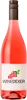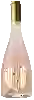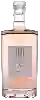
Château Saint Martin des ChampsLe P'tit Martin Rosé
 Pink wine



In the mouth this pink wine is a with a nice freshness.
This wine generally goes well with vegetarian, appetizers and snacks or lean fish.
Taste structure of the Le P'tit Martin Rosé from the Château Saint Martin des Champs
Light | Bold | |
Dry | Sweet | |
Soft | Acidic |
In the mouth the Le P'tit Martin Rosé of Château Saint Martin des Champs in the region of Languedoc-Roussillon is a with a nice freshness.
Food and wine pairings with Le P'tit Martin Rosé
Pairings that work perfectly with Le P'tit Martin Rosé



Original food and wine pairings with Le P'tit Martin Rosé


The Le P'tit Martin Rosé of Château Saint Martin des Champs matches generally quite well with dishes of pasta, vegetarian or appetizers and snacks such as recipes of the corsican soup, quiche with leeks and fresh salmon from flo or gougèress.
Details and technical informations about Château Saint Martin des Champs's Le P'tit Martin Rosé.
Discover the grape variety: Merlot blanc
The white merlot (or merlau) is a grape variety of Bordeaux origin. It was mainly cultivated in the Graves, Blayais and Bourgeais regions. Merlot blanc is a cross between folle blanche and merlot noir. merlot blanc, although fertile and productive, is a grape variety that is now in decline and is no longer replanted. Its bunches are composed of juicy berries of a green to golden yellow color when they are well ripe, they fear grey rot and drought. The white merlot produces white wines with a low alcohol content and is now part of the Pineau-des-Charentes appellation.
Last vintages of this wine
The best vintages of Le P'tit Martin Rosé from Château Saint Martin des Champs are 2017, 2018, 2015
Informations about the Château Saint Martin des Champs
The Château Saint Martin des Champs is one of of the world's greatest estates. It offers 32 wines for sale in the of Languedoc-Roussillon to come and discover on site or to buy online.

The wine region of Languedoc-Roussillon
Languedoc (formerly Coteaux du Languedoc) is a key appellation used in the Languedoc-Roussillon wine region of southern France. It covers Dry table wines of all three colors (red, white and rosé) from the entire region, but leaves Sweet and Sparkling wines to other more specialized appellations. About 75% of all Languedoc wines are red, with the remaining 25% split roughly down the middle between whites and rosés. The appellation covers most of the Languedoc region and almost a third of all the vineyards in France.
The word of the wine: Stave
A slat of wood that makes up the barrel.