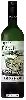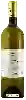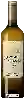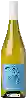
Château Saint Jean de la GinesteNos Jours Heureux Corbières
 White wine


In the mouth this white wine is a .
This wine generally goes well with vegetarian, poultry or lean fish.
Taste structure of the Nos Jours Heureux Corbières from the Château Saint Jean de la Gineste
Light | Bold | |
Dry | Sweet | |
Soft | Acidic |
In the mouth the Nos Jours Heureux Corbières of Château Saint Jean de la Gineste in the region of Languedoc-Roussillon is a .
Food and wine pairings with Nos Jours Heureux Corbières
Pairings that work perfectly with Nos Jours Heureux Corbières



Original food and wine pairings with Nos Jours Heureux Corbières


The Nos Jours Heureux Corbières of Château Saint Jean de la Gineste matches generally quite well with dishes of pasta, vegetarian or poultry such as recipes of pasta à la forestière (chanterelles), zucchini quiche or kefta.
Details and technical informations about Château Saint Jean de la Gineste's Nos Jours Heureux Corbières.
Discover the grape variety: Hibou blanc
A very old grape variety once cultivated in Savoy, now endangered. It is not the white form of the black owl.
Last vintages of this wine

The best vintages of Nos Jours Heureux Corbières from Château Saint Jean de la Gineste are 2017
Informations about the Château Saint Jean de la Gineste
The Château Saint Jean de la Gineste is one of of the world's greatest estates. It offers 14 wines for sale in the of Corbières to come and discover on site or to buy online.

The wine region of Corbières
Corbières is an important appellation in the Languedoc-roussillon">Languedoc-Roussillon region of southern France. It is one of the best known and most productive appellations in the Languedoc. The Corbières vineyards produce large quantities of red and rosé wines, as well as a growing number of white wines. The reds are the strongest Part of the appellation; they are reputedly Rich and herbal, made from Grenache, Syrah, Mourvèdre, Lledoner Pelut and Carignan.
The wine region of Languedoc-Roussillon
Languedoc (formerly Coteaux du Languedoc) is a key appellation used in the Languedoc-Roussillon wine region of southern France. It covers Dry table wines of all three colors (red, white and rosé) from the entire region, but leaves Sweet and Sparkling wines to other more specialized appellations. About 75% of all Languedoc wines are red, with the remaining 25% split roughly down the middle between whites and rosés. The appellation covers most of the Languedoc region and almost a third of all the vineyards in France.
The word of the wine: Presses
The juice that results from pressing the grapes after fermentation. At the end of the maceration, the vats are emptied, the first juice obtained is called the free-run wine and the marc remaining at the bottom of the vat is then pressed to give the press wine. We say more quickly "the presses". Their quality varies according to the vintage and the maceration. A too vigorous extraction releases the tannins of pips and the wine of press can then prove to be very astringent. Often the winemaker raises it separately, deciding later whether or not to incorporate it totally or partially into the grand vin.