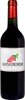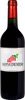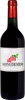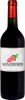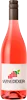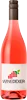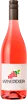
Château NuzunRosé
 Pink wine



This wine generally goes well with
The Rosé of the Château Nuzun is in the top 30 of wines of Marmara.
Wine flavors and olphactive analysis


On the nose the Rosé of Château Nuzun in the region of Marmara often reveals types of flavors of earth, tree fruit or citrus fruit and sometimes also flavors of red fruit, tropical fruit.
Details and technical informations about Château Nuzun's Rosé.
Discover the grape variety: Tchilar
It is certainly one of the best grape varieties in Armenia, where it originates.
Last vintages of this wine
The best vintages of Rosé from Château Nuzun are 2012, 0, 2013, 2011
Informations about the Château Nuzun
The Château Nuzun is one of of the world's greatest estates. It offers 6 wines for sale in the of Marmara to come and discover on site or to buy online.

The wine region of Marmara
The wine region of Marmara of Turkey. Wineries and vineyards like the Domaine Porta Caeli or the Domaine Porta Caeli produce mainly wines red, white and pink. The most planted grape varieties in the region of Marmara are Cabernet-Sauvignon, Merlot and Chardonnay, they are then used in wines in blends or as a single variety. On the nose of Marmara often reveals types of flavors of oak, microbio or floral and sometimes also flavors of vegetal, dried fruit or tree fruit.
The word of the wine: Hat
Solid part (marc), composed of pips and skins (sometimes of the stalk), which forms at the top of the tank during fermentation. The pigeage consists in breaking this cap to put back in suspension these elements and to favour the exchanges between the juice and the skins.