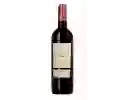
Château le RaulyCuvée Boisée Tradition
 Red wine
This wine generally goes well with
Details and technical informations about Château le Rauly's Cuvée Boisée Tradition.
Discover the grape variety: Picardan
Picardan is a white grape variety from Provence. Currently, this variety no longer exists. It is otherwise known as gallet blanc, grosse clairette, aragnan, papadoux or milhaud blanc. It is also called œillade blanche, but it has nothing to do with the œillade noire grape variety.Picardan has cottony buds and fairly large leaves. Its truncated cone-shaped bunches of grapes are tightly packed. The berries are smaller than those of Cinsault and are rather pinkish in colour when they reach maturity. Like Cinsault, Picardy is a late bloomer with a sweet, musky aroma. Vigorous, it is not too afraid of grey rot, but it is more sensitive to erinosis. Picardan is one of the grape varieties used in the Châteauneuf-du-Pape appellation. It gives a wine with a particular bouquet and when it is associated with other grape varieties such as mourvèdre or syrah. The rosé wine it produces is of good quality.
Informations about the Château le Rauly
The Château le Rauly is one of of the world's greatest estates. It offers 30 wines for sale in the of Pécharmant to come and discover on site or to buy online.

The wine region of Pécharmant
The wine region of Pécharmant is located in the region of Guyenne of South West of France. Wineries and vineyards like the Château de Tiregand or the Château Terre Vieille produce mainly wines red, white and sweet. The most planted grape varieties in the region of Pécharmant are Merlot, Cabernet-Sauvignon and Cabernet franc, they are then used in wines in blends or as a single variety. On the nose of Pécharmant often reveals types of flavors of non oak, plum or dark fruit and sometimes also flavors of black fruits, black cherries or cedar.
The wine region of South West
The South-West is a large territorial area of France, comprising the administrative regions of Aquitaine, Limousin and Midi-Pyrénées. However, as far as the French wine area is concerned, the South-West region is a little less clear-cut, as it excludes Bordeaux - a wine region so productive that it is de facto an area in its own right. The wines of the South West have a Long and eventful history. The local rivers play a key role, as they were the main trade routes to bring wines from traditional regions such as Cahors, Bergerac, Buzet and Gaillac to their markets.
The word of the wine: Hygrometry
Humidity level of the cellar necessary for a good ageing of the wines. The recommended hygrometry is around 70% in order to guarantee a good elasticity of the corks while preserving the labels.