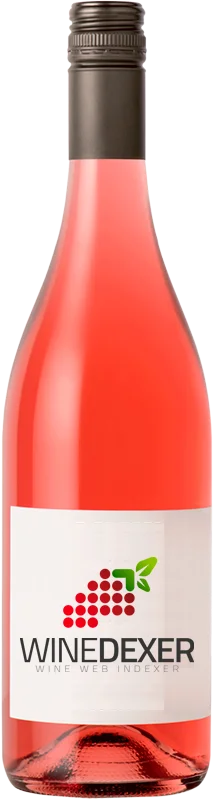
Château le BouisRosa Rosa Rosam
 Pink wine
This wine generally goes well with vegetarian, appetizers and snacks or lean fish.

Food and wine pairings with Rosa Rosa Rosam
Pairings that work perfectly with Rosa Rosa Rosam



Original food and wine pairings with Rosa Rosa Rosam


The Rosa Rosa Rosam of Château le Bouis matches generally quite well with dishes of pasta, vegetarian or appetizers and snacks such as recipes of pasta with asparagus and chicken, light tuna-tomato quiche (without cream) or express beef samoussa.
Details and technical informations about Château le Bouis's Rosa Rosa Rosam.
Discover the grape variety: Tinta Roriz
Structured and deep reds with a dark ruby robe, firm tannins and a dense mouthfeel, with intense aromas of black fruits (blackberry, plum), cherry, tobacco, leather, spices, cocoa and balsamic notes. Good ageing potential. Essential component of the great dry reds of Douro DOC and a pillar of Vintage Port and LBV. Also a star of Alentejo DOC as Aragonez and Dão DOC. The Portuguese synonym for Iberian Tempranillo, signature of the great wines of the Douro.
Informations about the Château le Bouis
The Château le Bouis is one of of the world's great estates. It offers 25 wines for sale in the of Corbières to come and discover on site or to buy online.

The wine region of Corbières
Largest AOC in Languedoc, 95% Mediterranean reds. Signature old-vine Carignan (up to 60%): fleshy reds with black fruit, garrigue, black olive, spice and tight tannins. Blended with round, sunny Grenache, peppery Syrah, dense Mourvèdre and supple Cinsault. A few fresh rosés and whites (Grenache Blanc, Roussanne).
The wine region of Languedoc-Roussillon
Largest single French vineyard, dominated by sunny, generous reds. Spicy Syrah, candied Grenache (ripe fruit, garrigue), structured Carignan, deep Mourvèdre, supple Cinsault. Stars: structured Corbières, Minervois, Faugères, Saint-Chinian; round Côtes-du-Roussillon. Legendary vins doux naturels: Banyuls and Maury (fortified Grenache) with notes of cocoa, fig, prune.
The word of the wine: N-M
Negociant-manipulant. Company that buys grapes, sometimes in addition to its own vineyard, elaborates and markets its champagne. Most of the big brands like Moët or Taittinger are N-M.