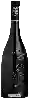
Château le BastidonSyrah
 Red wine
This wine generally goes well with beef, lamb or mature and hard cheese.

Food and wine pairings with Syrah
Pairings that work perfectly with Syrah



Original food and wine pairings with Syrah

The Syrah of Château le Bastidon matches generally quite well with dishes of beef, lamb or spicy food such as recipes of monkfish tagine, lamb shoulder confit or honey chicken wok style.
Details and technical informations about Château le Bastidon's Syrah.
Discover the grape variety: Bia blanc
Simple, fresh dry whites with a pale golden robe, supple palate with moderate acidity, showing understated citrus and white flower aromas. Discreet rustic profile. Preserved in a few ampelographic collections for its heritage value, it belongs to the ancient varieties whose commercial spread has nearly vanished, studied for their genetic interest. Rare white variety, little documented, grown in confidential quantities.
Informations about the Château le Bastidon
The Château le Bastidon is one of of the world's great estates. It offers 18 wines for sale in the of Côtes de Provence to come and discover on site or to buy online.

The wine region of Côtes de Provence
World reference for pale, elegant rosé: salmon to onion-skin hue, notes of strawberry, pink grapefruit, white peach and flowers, fresh, dry, mineral palate, taut finish. 90% of output, the Provençal signature. Grenache, Cinsault, Syrah and native Tibouren in the blend. A few fleshy Mediterranean reds (Mourvèdre, Syrah) and saline Vermentino whites.
The wine region of Provence
World capital of dry, refined rosé (~90% of production). Pale rose-petal colour, delicate nose of fresh red fruits (strawberry, raspberry, redcurrant), citrus (pink grapefruit), white flowers and a mineral touch, taut and thirst-quenching palate — the Mediterranean aperitif par excellence. Blends of Grenache, Cinsault, Syrah, Tibouren and Mourvèdre. Fleshy Bandol reds from Mourvèdre (leather, garrigue, age-worthy), straight Cassis whites.
The word of the wine: Clone
A vine propagated from a single specimen (by cuttings or grafting), as opposed to mass selection, which starts from a family of vines.